
Bulk placemats offer significant cost savings for events and businesses, enhancing aesthetics and functionality. From restaurants to corporate gatherings, their versatility extends beyond simple table settings, impacting the overall ambiance and experience. Understanding the different materials, sourcing options, and design considerations is key to maximizing the benefits of bulk purchases.
This guide delves into the multifaceted world of bulk placemats, exploring various materials, sizes, and colors, along with their applications, sourcing strategies, and maintenance techniques. It also addresses design considerations, cost-effectiveness, sustainability, and emerging trends, equipping readers with the knowledge to make informed decisions.
Introduction to Bulk Placemats
Bulk placemats are a cost-effective and versatile solution for restaurants, cafeterias, and event planners seeking durable and stylish table coverings. They are typically offered in large quantities, making them ideal for high-volume settings where frequent replacement or replenishment is necessary. The affordability and practicality of bulk placemats often outweigh the cost of more intricate, custom-designed options.These placemats are crucial for providing a functional and visually appealing dining experience while also protecting tables from damage and stains.
They come in various materials, sizes, and designs, catering to a wide range of aesthetic preferences and practical needs. Understanding the different options available is key to making informed decisions for any given application.
Materials for Bulk Placemats
A wide array of materials are used in the production of bulk placemats, each with unique characteristics impacting their durability, aesthetic appeal, and cost. Common materials include plastic, vinyl, melamine, and paper. Plastic placemats are often the most affordable option, but their durability and resistance to stains and heat vary significantly based on the specific plastic type. Vinyl placemats offer good water resistance and durability, while melamine is known for its strength and scratch resistance.
Paper placemats, though less durable, can be eco-friendly and come in a variety of colors and patterns.
Sizes and Shapes of Bulk Placemats
Bulk placemats are commonly available in standard rectangular shapes, tailored to fit most dining tables. However, some suppliers offer custom sizes and shapes to accommodate specific table configurations. The most prevalent sizes typically range from 12×18 inches to 18×24 inches, catering to the typical dimensions of standard dining tables and banquet halls. The variety in sizes ensures flexibility in applications.
Colors and Patterns in Bulk Placemats
A diverse array of colors and patterns are offered in bulk placemats, from solid colors to intricate designs. This range of choices caters to various tastes and aesthetics. Common colors include neutral tones like beige, gray, and white, alongside bolder choices such as red, blue, and green. Patterns often range from subtle stripes and polka dots to more complex and intricate designs, reflecting contemporary trends and classic styles.
This wide range ensures a match for virtually any décor.
Comparison of Material Types
| Material | Pros | Cons |
|---|---|---|
| Plastic | Low cost, lightweight, readily available in various colors | Can be less durable, may not resist heat or stains as effectively as other materials |
| Vinyl | Water-resistant, durable, good for high-traffic areas | Can be more expensive than plastic, may not be as aesthetically versatile |
| Melamine | Strong, scratch-resistant, heat-resistant, stain-resistant | Can be more expensive than plastic or vinyl, may not offer as much design flexibility |
| Paper | Eco-friendly, lightweight, affordable, highly customizable | Less durable than other materials, may not be suitable for high-traffic or wet environments |
Bulk Placemat Applications
Bulk placemats, often overlooked as simple accessories, offer a surprisingly wide range of applications, extending far beyond their primary function of protecting tables. Their versatility stems from their ability to enhance aesthetics, streamline service, and contribute significantly to the overall ambiance of various settings. From casual gatherings to formal events, bulk placemats are a practical and stylish solution.Bulk placemats are an effective choice in diverse settings due to their adaptability and cost-effectiveness.
They offer a practical and aesthetic solution for a variety of settings, from casual gatherings to formal events. Their ability to protect surfaces and contribute to a visually appealing environment makes them a valuable asset for various establishments.
Typical Uses in Different Settings
Bulk placemats are frequently used in a multitude of settings, serving a practical and aesthetic function. Restaurants, homes, and offices all benefit from the practicality and versatility of these items. Their use is often dictated by the specific needs of the environment.
- Restaurants: Bulk placemats provide a hygienic and consistent aesthetic for dining areas. They protect tables from spills and scratches, ensuring a clean and polished appearance. Their consistent style enhances the dining experience and can contribute to a restaurant’s overall branding. The ability to provide a consistent appearance and protect the surface is crucial for maintaining a professional atmosphere.
- Homes: Bulk placemats add a touch of style and protection to dining areas. They are particularly useful in homes with children or pets, as they prevent damage from spills and food stains. They offer a way to coordinate aesthetics and add a decorative element to the dining table. The practicality of protecting surfaces and their contribution to the overall ambiance of a dining space are essential considerations.
- Offices: In corporate settings, bulk placemats can enhance the professionalism and sophistication of meeting spaces or informal gatherings. They provide a touch of elegance and protect tables from damage, fostering a more polished image for the company. They are a useful tool for adding a touch of class and professionalism to the work environment.
Ideal Choices for Specific Situations
Bulk placemats are an excellent choice for situations where both practicality and aesthetic appeal are desired. Their durability and cost-effectiveness make them suitable for high-traffic areas and events.
- High-traffic areas: Bulk placemats are ideal for environments with frequent use, like restaurants, cafeterias, or offices. Their ability to withstand wear and tear makes them a cost-effective solution for protecting surfaces. The durability and cost-effectiveness of bulk placemats are significant factors in their suitability for high-traffic environments.
- Events: Bulk placemats are essential for large-scale events where aesthetics and hygiene are paramount. They offer a cost-effective way to enhance the overall ambiance and protect surfaces. The consistent aesthetic of bulk placemats is an important factor for large events.
Advantages for Events
Bulk placemats offer several advantages for events, including a cost-effective enhancement of the overall ambiance. Their uniformity and easy maintenance contribute to a seamless and polished event.
- Cost-effectiveness: Bulk placemats offer a significant cost advantage over other table coverings for events. Their affordability is particularly valuable for large-scale gatherings. Their cost-effectiveness is a significant advantage for budget-conscious event organizers.
- Streamlined Service: Bulk placemats streamline event service by simplifying setup and cleanup. Their durability and ease of cleaning minimize disruptions during the event. The ease of setup and cleanup is a major benefit for events.
- Enhanced Ambiance: Bulk placemats contribute significantly to the ambiance of an event. Their coordinated design can create a cohesive and polished atmosphere. The consistent aesthetic contributes to a unified and pleasing visual experience for guests.
Improving Ambiance and Style
Bulk placemats enhance the overall ambiance of a space by creating a cohesive and polished aesthetic. Their visual appeal, combined with their protective qualities, makes them a practical and stylish choice. The combination of style and protection is a key advantage of bulk placemats.
- Visual Appeal: The coordinated design of bulk placemats creates a visually appealing and consistent atmosphere. Their design can complement the overall theme or decor of an event or setting. The ability to coordinate design is a crucial factor in enhancing the visual appeal of a space.
- Practicality: Bulk placemats protect surfaces from damage and spills, which is essential for maintaining a clean and polished environment. The protection from spills and stains makes them practical and valuable in many situations.
Examples in Various Settings
The use of bulk placemats is widespread across diverse settings.
- Restaurants: Many high-volume restaurants use bulk placemats to maintain a clean and consistent look. The consistent color and design of the placemats contribute to the restaurant’s overall branding.
- Homes: Bulk placemats are a popular choice for families with children or pets. Their durability protects dining tables from damage. They are a practical and stylish solution for everyday use.
- Offices: Bulk placemats are used in office settings for meetings or casual gatherings. They enhance the professionalism of the space while protecting the surface.
Event Suitability Table
| Event Type | Suitability | Reasoning |
|---|---|---|
| Birthday Parties | High | Provides a cohesive and festive atmosphere; protects surfaces from spills and stains. |
| Corporate Meetings | Medium | Enhances professionalism and protects tables from damage; may not be necessary for all types of meetings. |
| Weddings | High | Creates a consistent and elegant aesthetic; protects tables from damage. |
| Concerts | Low | May not be necessary; other considerations like seating arrangements are more crucial. |
| Fundraisers | High | Provides a cohesive and polished look; protects tables and ensures cleanliness. |
Bulk Placemat Sourcing and Procurement
Securing the right bulk placemats requires careful consideration of suppliers, pricing, and delivery. Choosing the appropriate vendor directly impacts both the cost-effectiveness and the overall project timeline. This process demands a strategic approach, encompassing supplier vetting, pricing analysis, and a thorough understanding of lead times.Finding the optimal bulk placemat supplier hinges on a comprehensive evaluation of various factors, including pricing models, delivery schedules, and supplier reputation.
A meticulous comparison of different options is crucial for minimizing risks and maximizing value. Furthermore, recognizing and understanding potential issues, like quality control and order fulfillment, can help mitigate any unforeseen challenges.
Identifying Bulk Placemat Suppliers
A diverse range of suppliers offer bulk placemats, from established manufacturers to smaller, specialized businesses. Thorough research is essential for identifying suitable vendors. Directly contacting potential suppliers is a crucial first step, followed by careful review of their product catalogs and sample availability.
Evaluating Supplier Factors
Several key factors need consideration when selecting a bulk placemat supplier. Supplier reputation and history of reliability are paramount, as are their production capabilities and capacity to handle large orders. Evaluating their quality control processes is equally important. Supplier responsiveness and communication effectiveness will also impact the success of the transaction.
Comparing Pricing Models
Pricing models for bulk placemats vary significantly. Understanding these models is critical for cost-effective procurement. Suppliers might offer tiered pricing based on order quantity, discounts for repeat business, or other incentives. A detailed analysis of these pricing structures is necessary to optimize costs. Some suppliers may offer cost-per-unit pricing, while others may use a per-order structure.
It’s essential to compare these models, accounting for the specific order size and expected volume discounts.
Utilizing Online Resources
Online marketplaces and industry directories offer valuable resources for identifying potential bulk placemat suppliers. Websites dedicated to wholesale products or procurement services often list suppliers and relevant contact information. These online platforms allow for quick identification of potential vendors and facilitate initial contact. Researching online reviews and testimonials can offer valuable insights into supplier reliability.
Considering Lead Times and Delivery Schedules
Lead times and delivery schedules are critical components of the procurement process. Suppliers with shorter lead times and reliable delivery schedules are more advantageous. This factor directly impacts project timelines and overall success. A thorough understanding of a supplier’s logistical capabilities is necessary. Accurately assessing lead times and delivery schedules helps in planning and budgeting effectively.
Comparative Analysis of Suppliers
The table below provides a comparative overview of several bulk placemat suppliers, showcasing pricing, delivery time, and customer reviews. This information helps in making an informed decision. The data provided is based on publicly available information and may not represent a complete picture. Further due diligence is recommended.
| Supplier | Pricing | Delivery Time | Reviews |
|---|---|---|---|
| Supplier A | Tiered, quantity-based discounts | 2-4 weeks | Positive, reliable delivery |
| Supplier B | Per-unit pricing, no significant discounts | 4-6 weeks | Mixed reviews, some complaints about quality |
| Supplier C | Hybrid model, discounts on large orders | 3-5 weeks | Generally positive, known for good customer service |
Care and Maintenance of Bulk Placemats
Proper care and maintenance are crucial for preserving the aesthetic appeal and longevity of bulk placemats. Neglecting these aspects can lead to premature wear, damage, and reduced lifespan, impacting both the functionality and the overall presentation of the dining setting. Implementing effective cleaning and storage strategies is essential for maintaining the value of the investment in bulk placemats.
Cleaning Different Types of Bulk Placemats
Maintaining the pristine condition of bulk placemats requires a nuanced approach tailored to the specific material. Different materials react differently to various cleaning agents, and improper cleaning can lead to discoloration, damage, or permanent staining. Understanding the inherent properties of the materials used in placemats is paramount to ensure that cleaning methods do not compromise their structural integrity or aesthetic appeal.
Preventing Damage and Extending Lifespan
Proactive measures can significantly extend the lifespan of bulk placemats. Regular cleaning, proper storage, and careful handling during transportation and use all contribute to maintaining their quality and appearance. Implementing preventative measures minimizes the need for extensive or potentially damaging cleaning procedures, thus protecting the investment in placemats.
Stain Removal on Various Bulk Placemat Materials
Effective stain removal depends on the material of the placemat and the nature of the stain. Prompt action is crucial to prevent stains from setting in. Different materials react differently to various cleaning agents, and improper use can lead to damage or discoloration.
Storage Methods for Bulk Placemats
Appropriate storage methods play a critical role in preserving the quality and appearance of bulk placemats. This involves considerations for both short-term and long-term storage. Careful handling during transportation and storage is equally important, as mishandling can lead to wrinkles, creases, or other damage.
Importance of Proper Handling During Transportation and Storage
Proper handling during transportation and storage is critical for maintaining the integrity of bulk placemats. Rough handling can cause damage, while inadequate storage can lead to mold or mildew growth, especially in humid conditions. Protecting placemats from direct sunlight or excessive heat also helps to preserve their color and texture.
Cleaning Methods for Different Bulk Placemat Materials
| Material | Cleaning Method | Precautions |
|---|---|---|
| Cotton | Spot clean with a mild detergent solution, or a damp cloth. Rinse thoroughly and air dry. | Avoid harsh scrubbing or excessive moisture, which can damage the fabric. |
| Polyester | Spot clean with a mild detergent solution or a damp cloth. Rinse thoroughly and air dry. | Avoid using bleach or abrasive cleaners, as they may damage the fibers. |
| Vinyl | Wipe clean with a damp cloth and mild detergent solution. Rinse thoroughly and air dry. | Avoid using harsh chemicals or abrasive cleaners. |
| Plastic | Wipe clean with a damp cloth and mild detergent solution. Rinse thoroughly and air dry. | Avoid using abrasive cleaners or scouring pads. |
| Bamboo | Spot clean with a damp cloth or a mild detergent solution. Rinse thoroughly and air dry. | Avoid submerging in water for extended periods, as it may cause warping or damage. |
Design Considerations for Bulk Placemats
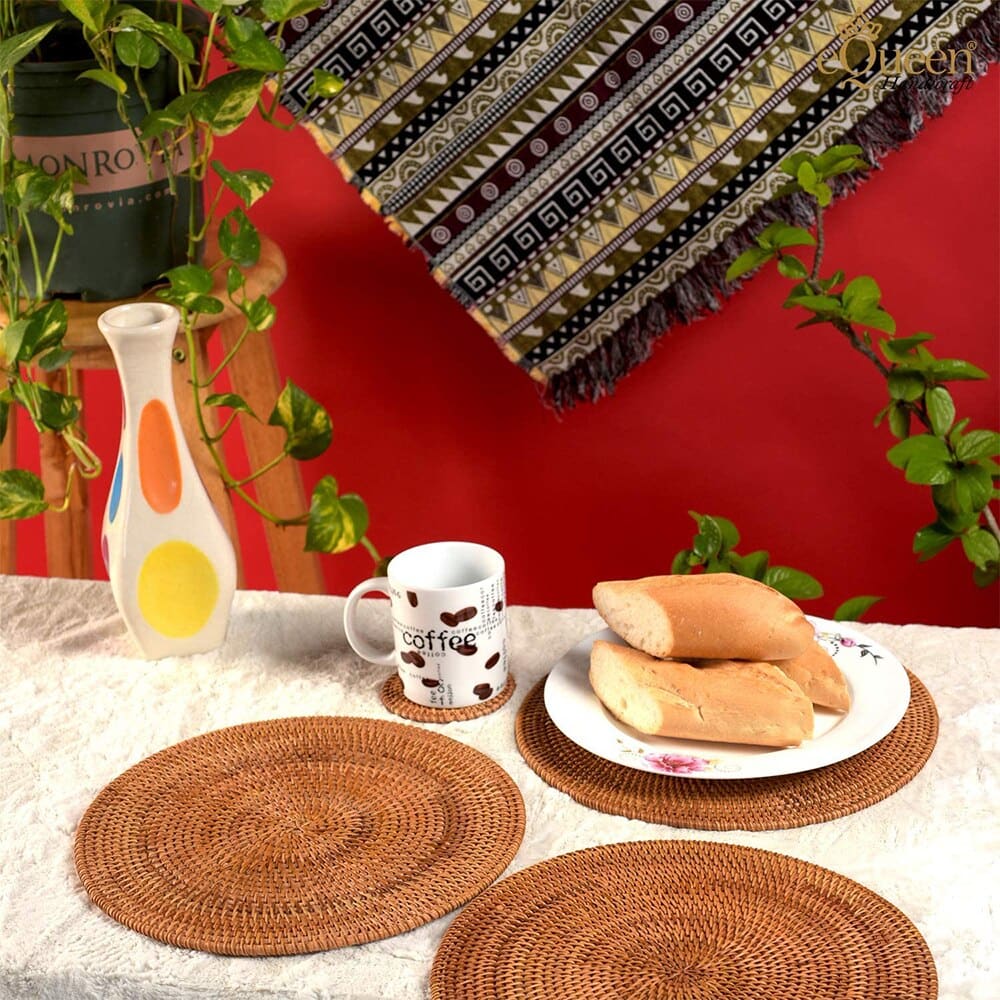
Bulk placemats, when sourced and procured strategically, offer significant design opportunities to elevate the dining experience. Beyond functionality, their aesthetic impact is crucial in setting the tone of a space, from a casual family gathering to a formal business event. Careful consideration of design elements can transform these everyday essentials into statement pieces.The visual impact of bulk placemats is profoundly affected by their design.
Color, pattern, size, and shape all play a role in creating the desired ambiance. By thoughtfully considering these factors, designers and consumers can use bulk placemats to not only enhance the practical aspects of dining but also the overall aesthetic appeal of the space.
Impact on Overall Aesthetic
Placemat design directly influences the overall aesthetic of a dining area. The color, pattern, and texture of the placemat create a visual backdrop for the tableware, food, and other elements of the dining scene. A well-chosen placemat can elevate a simple meal to a memorable experience. Conversely, a poorly chosen placemat can detract from the ambiance.
Incorporating Bulk Placemats into Interior Design
Bulk placemats offer versatile options for enhancing interior design. Their size, shape, and pattern can complement various design styles, from minimalist to maximalist. By carefully selecting placemats, one can create a cohesive and harmonious dining environment that extends the overall design theme of the room.
Design Styles Complementing Bulk Placemats
Numerous interior design styles can effectively incorporate bulk placemats. The right choice depends on the desired mood and the overall aesthetic of the space.
- Modern Minimalist: Sleek, geometric shapes and neutral colors create a sophisticated and understated look. Simple, understated patterns, or even plain colors in a solid shade can enhance the modern minimalist style. For instance, a plain, rectangular placemat in a light gray or a muted tone of beige can provide a backdrop that highlights the beauty of the food and tableware.
- Rustic Farmhouse: Natural materials, warm colors, and simple patterns evoke a cozy and inviting atmosphere. Placemats in natural wood tones or woven textures can enhance the rustic charm. Consider a placemat with a subtle, rustic pattern that complements the warmth of the space, such as a burlap or linen-like pattern.
- Bohemian: Bold colors, eclectic patterns, and textures create a vibrant and relaxed atmosphere. Placemats with vibrant patterns or ethnic designs can complement the bohemian style. For example, a placemat with a repeating floral pattern or a tribal print will bring a pop of color and pattern to a space.
- Coastal/Nautical: Light colors, natural materials, and nautical patterns create a refreshing and airy feel. Placemats in blues, greens, and creams with nautical designs or patterns can complement the coastal/nautical theme. Examples include placemats with striped patterns, anchors, or seashells.
Influence of Color and Pattern Choices
Color and pattern choices significantly impact the ambiance of a dining area. Warm colors create a cozy and inviting atmosphere, while cool colors create a refreshing and airy feel. Patterns can add visual interest and personality to a space. The selection of colors and patterns should be aligned with the overall design aesthetic.
Significance of Placemat Size and Shape on Visual Appeal
Placemat size and shape play a crucial role in visual appeal. A placemat that is too small can look cramped, while one that is too large can overwhelm the table setting. The shape of the placemat should complement the shape of the table and the overall dining style.
Table of Interior Design Styles and Matching Placemat Suggestions
| Style | Color | Shape | Pattern |
|---|---|---|---|
| Modern Minimalist | Neutral (gray, beige, white) | Rectangular, square | Geometric, subtle |
| Rustic Farmhouse | Warm (brown, cream, terracotta) | Rectangular, oval, irregular | Plaid, woven, rustic |
| Bohemian | Bold (red, blue, green) | Round, irregular, rectangular | Floral, tribal, ethnic |
| Coastal/Nautical | Light (blue, green, cream) | Rectangular, oval | Striped, nautical, seashell |
Cost-Effectiveness of Bulk Placemats
Bulk purchasing placemats offers significant cost advantages, particularly for businesses and events requiring large quantities. The savings realized from bulk orders often outweigh the initial investment, leading to substantial long-term financial benefits. This is particularly true in settings requiring consistent use, like restaurants, cafeterias, or large-scale events.The cost-effectiveness of bulk placemats hinges on a comparison between the price per unit for a large order and the price of individual placemats.
By purchasing in bulk, businesses and organizations can often reduce the per-unit cost substantially, making the investment worthwhile, even for high-volume usage.
Comparison of Bulk and Individual Placemat Costs
Bulk purchasing offers a clear advantage in cost reduction. The savings become more pronounced as the quantity increases. Lower per-unit costs directly impact the overall budget, especially when considering large events or recurring use cases. Significant cost savings can be achieved for organizations requiring hundreds or thousands of placemats.
Long-Term Savings Analysis
The long-term savings associated with bulk purchasing are substantial. By opting for bulk placemats, businesses can anticipate reduced costs over the lifecycle of the product, especially in situations requiring frequent replacement or consistent usage. This predictability in cost is a crucial factor in budgeting for large-scale operations and events.
Cost Savings in Large Events and Settings
Large events and settings, such as conferences, corporate gatherings, or large-scale restaurants, often require hundreds or thousands of placemats. In these situations, the cost savings from bulk purchasing become even more significant. The substantial reduction in per-unit cost translates to substantial overall budget savings, which can be reinvested in other areas of the event or operation. For example, a restaurant serving 1000 customers daily can see a substantial reduction in their total placemat costs over time by buying in bulk.
Impact on Overall Budget
Bulk placemat purchases directly impact the overall budget by reducing the cost per unit. This cost reduction is especially relevant for businesses and organizations operating on tight budgets. The savings realized from bulk purchasing can be allocated towards other critical aspects of the business, such as staffing, marketing, or operational improvements.
Cost Comparison Table
The table below illustrates the potential cost savings from bulk purchasing in different quantities:
| Quantity | Bulk Cost | Individual Cost | Savings |
|---|---|---|---|
| 100 | $150 | $2.50 | $50 |
| 500 | $750 | $2.50 | $1250 |
| 1000 | $1500 | $2.50 | $2500 |
| 5000 | $7500 | $2.50 | $12500 |
Note: Prices are illustrative examples and may vary depending on the specific placemat design, material, and supplier.
Sustainability and Bulk Placemats
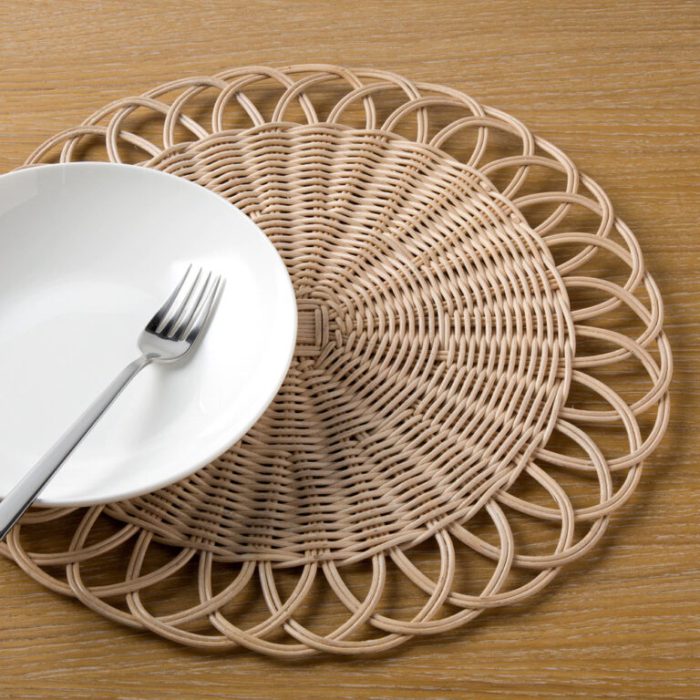
The growing consumer demand for eco-friendly products extends to everyday items like placemats. This shift necessitates a careful examination of the environmental impact of bulk placemat materials and the adoption of sustainable sourcing practices. Companies must prioritize materials and processes that minimize their footprint while satisfying the needs of a conscious market.A responsible approach to bulk placemat production considers the entire lifecycle, from raw material extraction to end-of-life disposal.
This includes evaluating the carbon footprint of the production process, the potential for waste generation, and the availability of recycled or renewable materials. Consumers are increasingly scrutinizing the sustainability credentials of products, making ethical sourcing a key factor in brand perception and sales.
Environmental Impact of Different Materials
The environmental impact of bulk placemats varies significantly depending on the raw materials used. Natural materials like bamboo and cork often boast a lower carbon footprint compared to plastic-based alternatives, while recycled materials represent a further step towards sustainability. The manufacturing process, transportation, and disposal methods also contribute to the overall environmental footprint.
Importance of Sustainable Practices in Sourcing
Sustainable sourcing practices are crucial in mitigating the environmental impact of bulk placemats. This involves working with suppliers who prioritize ethical labor practices, minimize waste, and utilize renewable resources. Companies that commit to sustainable sourcing demonstrate a dedication to environmental responsibility and build trust with environmentally conscious consumers.
Eco-Friendly Materials for Bulk Placemats
Several eco-friendly materials offer viable alternatives to traditional bulk placemats. Bamboo, with its rapid growth and biodegradability, presents a strong contender. Cork, derived from the bark of cork oak trees, is another renewable resource. Recycled materials, such as recycled plastic or paper, provide an opportunity to reduce waste and conserve resources. The choice of material should be informed by factors like durability, aesthetic appeal, and cost-effectiveness.
Examples of Companies Committed to Sustainable Bulk Placemat Production
Numerous companies are embracing sustainable practices in bulk placemat production. For instance, some companies utilize bamboo, a fast-growing grass, for its renewable nature. Others partner with suppliers who implement responsible forestry practices, ensuring the long-term health of the environment. Transparency in sourcing and production processes is crucial for building consumer trust and supporting responsible manufacturing. Highlighting these commitments in marketing materials can attract environmentally conscious customers.
Importance of Recycling and Repurposing
Recycling and repurposing bulk placemats at the end of their lifespan is essential for minimizing waste and conserving resources. Placemats made from recyclable materials can be easily processed and reused, minimizing the need for new materials. Repurposing old placemats into other items, like coasters or decorative accents, extends their lifespan and reduces waste.
Sustainable Material Options for Bulk Placemats
| Material | Sustainability Rating | Source |
|---|---|---|
| Bamboo | High | Rapidly renewable resource |
| Cork | High | Renewable resource from cork oak bark |
| Recycled Plastic | Medium | Reduces reliance on virgin materials |
| Recycled Paper | Medium | Reduces deforestation and waste |
| Plant-Based Materials (e.g., sugarcane) | Medium | Renewable resource with varying environmental impacts |
| Cotton | Low-Medium | Sustainable practices vary depending on farming methods |
| Wood | Low | Requires responsible forestry practices |
Bulk Placemat Trends and Innovations
The bulk placemat market is experiencing a dynamic shift, driven by evolving consumer preferences and technological advancements. From sustainable materials to innovative designs, the sector is responding to a growing demand for both functionality and aesthetics. This evolution presents opportunities for manufacturers and retailers to differentiate themselves and cater to a more discerning consumer base.
Emerging Design and Style Trends
Contemporary consumers are increasingly drawn to placemats that reflect both their personal style and environmental consciousness. This translates into a preference for unique designs, materials, and finishes that complement modern dining aesthetics. Geometric patterns, natural textures, and minimalist designs are gaining popularity, offering versatility in various dining settings. The incorporation of vibrant colors and artistic prints is also evident, particularly in the home decor market, with placemats designed to seamlessly integrate with other elements of the table setting.
Influence of New Technologies and Materials
Technological advancements are reshaping the bulk placemat industry, leading to more efficient production processes and the incorporation of innovative materials. Recycled materials, such as bamboo and recycled plastic, are becoming increasingly prevalent, driven by growing environmental concerns. Advanced printing techniques are also enhancing the design possibilities and aesthetic appeal of bulk placemats, enabling intricate patterns and vibrant colors.
This, coupled with the availability of durable and stain-resistant materials, is contributing to the longevity and practicality of these products.
Innovative Placemat Designs
Innovative designs are transforming the conventional placemat. Placemats with integrated coasters, offering a more streamlined and aesthetically pleasing tabletop arrangement, are becoming more common. The use of flexible, foldable placemats, allowing for space-saving storage and portability, is gaining popularity, particularly in settings with limited space or high turnover, such as restaurants and cafes. Placemats with embedded heating elements are emerging as a luxury option for enhanced comfort, especially in cooler environments.
Consumer Preferences and Bulk Placemat Trends
Consumer preferences are directly shaping the evolution of bulk placemat trends. A growing demand for sustainable and eco-friendly products is pushing manufacturers to explore innovative and environmentally conscious materials. The focus on aesthetics and functionality is driving the development of designs that seamlessly integrate into various dining styles, from modern minimalist to rustic farmhouse. Consumers are increasingly seeking placemats that reflect their individual tastes and enhance the overall dining experience.
Potential Future Directions for Innovation
The future of bulk placemats is poised for significant innovation. The integration of smart technologies, such as embedded sensors for detecting spills or temperature control, is a potential development. Personalized placemats, allowing for customization with names or designs, could emerge as a popular trend. The development of placemats that adapt to different dining styles and environments, from formal settings to casual gatherings, will also likely become a focus for designers.
Table of Recent Trends and Innovative Ideas in Bulk Placemats
| Trend | Description | Impact |
|---|---|---|
| Sustainable Materials | Increased use of recycled materials like bamboo, recycled plastic, and plant-based fibers. | Reduced environmental footprint and appeal to environmentally conscious consumers. |
| Innovative Designs | Integration of coasters, foldable designs, and embedded heating elements. | Enhanced functionality, aesthetics, and user experience. |
| Smart Technologies | Potential for embedded sensors and personalized customization. | Increased functionality and convenience for users. |
| Personalized Placemats | Customizable placemats with names or designs. | Enhanced personalization and unique gifting options. |
| Adaptive Designs | Placemats adaptable to different dining styles and environments. | Versatility and suitability for various settings. |
Visual Representations of Bulk Placemats
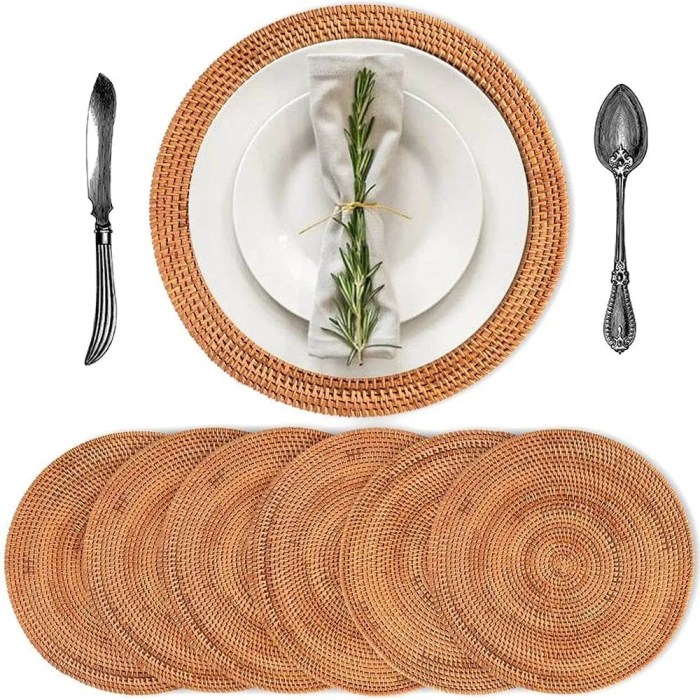
Bulk placemats, beyond their practical function, play a crucial role in setting the aesthetic tone of a space. The visual choices—from color palettes to materials—significantly impact the overall ambiance, making them a powerful design element. Careful consideration of these aspects is vital for achieving a cohesive and inviting environment.The visual impact of bulk placemats extends beyond the immediate dining area.
They contribute to the overall atmosphere, influencing how guests perceive the space and the event being hosted. Selecting the right placemats is as important as choosing the right tableware or lighting.
Bulk Placemat Design Variations
Bulk placemats come in a wide range of designs, allowing for flexibility in matching them to different aesthetics. The variety of options available caters to diverse needs and preferences, ensuring that the right placemat can be found for any setting.
- Color Schemes: A spectrum of colors, from subtle neutrals to vibrant hues, is available. Neutral tones, such as creams, whites, and beiges, create a classic and versatile look, easily complementing various decors. Bold colors like deep blues, reds, or greens add a pop of personality and can be effectively used in settings aiming for a more dynamic atmosphere.
The choice of color scheme is crucial in setting the mood and reflecting the desired ambiance.
- Patterns and Textures: Placemats can feature intricate patterns, such as damask, floral, or geometric designs. These patterns can range from delicate and subtle to bold and striking, allowing for a wide spectrum of visual appeal. Texture also plays a role; woven placemats often convey a rustic charm, while smooth, polished materials suggest sophistication. The pattern and texture of placemats can greatly enhance the overall aesthetic.
- Materials: Placemats are available in various materials, each with its own visual characteristics. Natural materials like bamboo and wood bring an earthy, sustainable feel. Plastic placemats offer a cost-effective and durable option, suitable for high-traffic areas. Meticulously crafted, heavy-duty vinyl placemats, resistant to stains and spills, provide a stylish yet practical solution for busy households.
Styles and Options for Different Settings
The selection of placemats is not arbitrary; it should be tailored to the specific setting and desired atmosphere. A dining room requires a different aesthetic than a casual backyard gathering. Different styles cater to distinct needs.
- Formal Dining: For formal dining occasions, elegant, textured placemats in neutral tones or sophisticated patterns are ideal. Materials like linen or high-quality vinyl offer a touch of luxury and sophistication.
- Casual Gatherings: In casual settings, vibrant colors, fun patterns, or simple, unadorned placemats can be used. Plastic or melamine placemats are often preferred due to their durability and ease of maintenance.
- Commercial Settings: For restaurants and other commercial settings, practicality and durability are paramount. Waterproof, stain-resistant materials are essential, along with a color scheme that complements the overall décor. The choice of placemats should be considered a design element that contributes to the brand’s image.
Visual Impact on Ambiance
The visual representation of bulk placemats is crucial in creating the desired ambiance. The right choice can elevate the overall dining experience.
A well-chosen placemat can dramatically alter the atmosphere of a space.
The selection of placemats impacts the visual harmony of the space, enhancing the overall aesthetics and creating a more inviting atmosphere. The right choice can dramatically alter the perception of the space, reflecting the desired mood.
Choosing the Right Placemats
Several factors must be considered when choosing bulk placemats for a specific setting. A thorough understanding of the environment and the desired effect is critical.
- Consider the Occasion: A formal dinner requires different placemats than a casual backyard barbecue. The style and material of the placemat should reflect the occasion’s formality.
- Match with Décor: The placemats should complement the existing décor and color scheme of the space. A harmonious blend of colors and patterns creates a cohesive look.
- Prioritize Durability and Maintenance: For high-traffic areas or commercial settings, placemats need to be durable and easy to clean. The choice of material should be practical, considering the intended use.
Bulk Placemat FAQs
Bulk placemats, increasingly popular for their cost-effectiveness and versatility, are subject to a variety of inquiries. Understanding the nuances of sourcing, pricing, maintenance, and design is crucial for businesses and consumers alike. This section addresses frequently asked questions to clarify common concerns.
Sourcing and Procurement Considerations
The procurement of bulk placemats involves a complex interplay of factors. Different materials, production methods, and supplier capabilities influence the final cost and quality. Understanding these variables is critical to making informed purchasing decisions.
- Supplier Selection: Evaluating supplier reliability, production capacity, and quality control procedures is paramount. Factors such as minimum order quantities (MOQs), lead times, and ethical sourcing practices should be considered. A robust supplier network often offers diverse options to meet specific needs.
- Material Variety: Placemats are crafted from diverse materials, including plastic, bamboo, melamine, and more. Each material presents unique advantages and disadvantages regarding durability, aesthetics, and environmental impact. A thorough understanding of the materials ensures alignment with the desired aesthetic and functional requirements.
- Customization Options: Many suppliers offer customization options, including logo printing, color choices, and unique designs. Understanding the capabilities and limitations of each supplier is vital to achieving the desired visual identity.
Pricing Models and Cost Analysis
Understanding the factors driving bulk placemat pricing is crucial for budgeting and cost-effectiveness. The cost breakdown often includes material costs, manufacturing expenses, and supplier markups.
- Volume Discounts: Bulk purchases often yield significant discounts, making bulk placemats a cost-effective solution. These discounts are usually tiered, reflecting the scale of the order. Negotiating with suppliers for volume discounts is a standard practice.
- Pricing Structure: Placemat prices vary based on material, size, design, and quantity. A clear understanding of the pricing structure is essential for accurate budgeting. Transparent pricing from reputable suppliers provides a basis for comparison and informed decision-making.
- Hidden Costs: Assess potential hidden costs, such as shipping fees, import duties, and handling charges. Total cost of ownership (TCO) should be considered, accounting for all associated expenses.
Maintenance and Care
Proper maintenance extends the lifespan of bulk placemats and ensures their continued usability. Materials influence the recommended care practices.
- Cleaning Methods: Different materials necessitate different cleaning methods. Plastic placemats can be easily cleaned with soap and water, while melamine placemats often require specific cleaning agents to prevent damage. Knowing the specific care instructions for the material is essential.
- Durability and Wear: The durability of bulk placemats varies depending on the material. Melamine placemats, for example, are known for their resistance to scratches and stains, while bamboo placemats may be more susceptible to wear. Choosing materials with appropriate durability for anticipated use is key.
- Long-Term Preservation: Proper storage and handling minimize damage during transport and storage. Protection from moisture and extreme temperatures is important to preserve the quality and integrity of bulk placemats.
Design Considerations and Aesthetics
Design considerations are critical in selecting bulk placemats for a specific application. Aesthetic appeal and functionality often need to be balanced.
- Visual Appeal: The design of bulk placemats can significantly enhance the overall aesthetic of a space. Factors like color, pattern, and texture play a role in creating a cohesive and appealing environment. The design should complement the surrounding décor.
- Practicality: Consider the practical aspects of the design, such as the material’s ability to withstand spills and stains. The size and shape of the placemats should be appropriate for the intended use. Aesthetics and functionality must be considered.
- Sustainability Concerns: The increasing demand for eco-friendly products is driving innovation in bulk placemat design. Eco-friendly materials and sustainable production methods are becoming increasingly important in the market.
Final Thoughts
In conclusion, bulk placemats provide a compelling blend of cost-effectiveness, aesthetic appeal, and functional utility across diverse settings. Careful consideration of material choices, sourcing strategies, and design elements ensures a successful and sustainable bulk placemat investment. The insights presented here offer a comprehensive roadmap for maximizing the value and impact of bulk placemats in various contexts.
