
Diwali, the festival of lights, is inextricably linked with the enchanting glow of diyas. These small lamps, often crafted with intricate designs, symbolize the triumph of light over darkness and are central to Diwali celebrations worldwide. From ancient traditions to modern interpretations, diyas offer a fascinating glimpse into the cultural tapestry of the festival.
This exploration delves into the rich history, diverse types, and cultural significance of Diwali diyas. We examine the craftsmanship behind their creation, the environmental impact of their production, and their enduring presence in art and literature. Ultimately, we’ll understand the enduring appeal of these symbolic lamps.
Historical Significance of Diwali Diyas
Diwali, the festival of lights, is deeply intertwined with the use of diyas, small oil lamps. These humble flames, meticulously crafted and strategically placed, symbolize more than mere illumination; they represent the triumph of light over darkness, knowledge over ignorance, and good over evil. The historical significance of diyas during Diwali transcends mere tradition, reflecting cultural and spiritual evolution.The enduring presence of diyas in Diwali celebrations speaks to a rich tapestry of symbolism and tradition.
From ancient rituals to modern adaptations, the diya continues to hold a central position, illuminating homes and hearts alike. This deep-rooted connection highlights the significance of the festival, underscoring the enduring power of symbolic representation.
Early Forms and Cultural Contexts
The earliest diyas were likely simple earthenware vessels filled with oil and a wick, reflecting the ingenuity and resourcefulness of ancient civilizations. Their use in religious ceremonies and home rituals predates the formalization of Diwali as a festival. In various ancient Hindu scriptures, references to lamps illuminating the path of righteousness and warding off evil are prevalent, establishing a connection between light and spiritual progress.
Early depictions often show these lamps as simple, unadorned vessels, signifying the fundamental role of light in illuminating the path.
Evolution of Diya Designs
Over centuries, diya designs have evolved, mirroring societal advancements and artistic sensibilities. Early forms were often simple, reflecting the limited resources of the time. As techniques and materials improved, diyas became more elaborate, showcasing intricate patterns and decorative elements. The introduction of new materials, such as brass and terracotta, further enriched the aesthetics and symbolic value of the lamps.
The evolution of designs reflects the progressive nature of artistic expression, demonstrating the ability to integrate craftsmanship and symbolism in daily life.
Regional Variations in Diwali Diya Traditions
Diyas hold varying significance and practices across different regions of India. While the fundamental concept of light triumphing over darkness remains consistent, the specific traditions and styles of diyas can vary significantly. For instance, in North India, intricate brass diyas adorned with elaborate designs are prevalent, reflecting the region’s rich artistic heritage. In South India, the use of terracotta diyas, often in simpler forms, is more common, symbolizing the connection to the earth and the inherent simplicity of the practice.
| Region | Diya Type | Symbolic Significance |
|---|---|---|
| North India | Brass diyas with intricate designs | Reflects the region’s rich artistic heritage, emphasizing elaborate craftsmanship. |
| South India | Terracotta diyas | Symbolizes connection to the earth and the simplicity of the practice. |
These regional variations underscore the diversity of Diwali traditions across the Indian subcontinent, emphasizing the richness of the cultural tapestry. The diverse diya traditions contribute to the multifaceted celebration, showcasing the festival’s ability to embrace regional differences while maintaining its core principles.
Types of Diwali Diyas
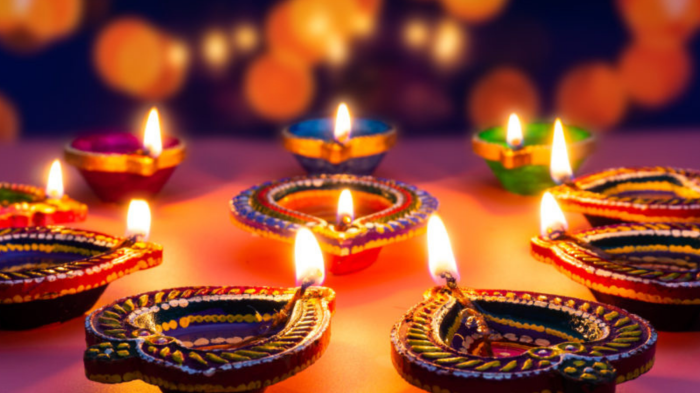
Diwali, the festival of lights, is deeply intertwined with the use of diyas, small oil lamps. These diyas, crafted in diverse forms and materials, symbolize the triumph of light over darkness and play a crucial role in the celebrations. Their varied designs reflect the rich cultural heritage and artistic traditions associated with the festival.Beyond their symbolic value, the different types of diyas offer a glimpse into the craftsmanship and ingenuity of artisans who create them.
The selection of materials and the meticulous design of each diya often reflects regional traditions and local availability of resources.
Material Variations
The materials used to craft diyas demonstrate the adaptability and resourcefulness of Indian artisans. Clay remains the most prevalent material, due to its affordability, availability, and inherent aesthetic qualities. Other materials, such as brass, terracotta, and even metal alloys, are also employed, each contributing unique properties to the final product. Brass diyas, for instance, are often highly polished and ornate, lending a luxurious feel to the celebrations.
Terracotta diyas, on the other hand, showcase the rustic charm of traditional craftsmanship.
Design and Shape Diversity
Diwali diyas come in a multitude of shapes and designs. Simple, cylindrical shapes are common, but more elaborate designs, featuring intricate carvings and patterns, are also popular. The shapes often reflect the creativity and artistic expression of the artisans. Some diyas are shaped like flowers, while others mimic traditional motifs or deities. The choice of shape and design often depends on the specific regional traditions and the intended use of the diya.
A Comparative Overview of Diya Types
| Diya Type | Primary Material | Typical Design | Typical Use |
|---|---|---|---|
| Clay Diya | Clay | Simple cylindrical, often decorated with hand-painted designs or motifs. | Widely used in homes and temples, signifying the celebration of light over darkness. |
| Brass Diya | Brass | Often ornate, with intricate carvings and polishing, potentially featuring religious motifs. | Used in more elaborate or formal settings, adding a touch of elegance to the celebrations. |
| Terracotta Diya | Terracotta | Rustic, often with simple shapes and earthy tones. | Frequently used in traditional households, adding a rustic charm to the festival. |
| Metal Alloy Diya | Metal Alloys (e.g., zinc, tin) | Can range from simple to complex designs, sometimes with painted embellishments. | Increasingly popular due to their affordability and durability. |
| Flower-shaped Diya | Clay or other materials | Depicting various flower motifs, adding a touch of natural beauty. | Can be used as decorative elements, or as part of a larger display. |
Cultural Variations in Diwali Diya Use
Diwali, the festival of lights, transcends regional boundaries yet retains distinct cultural expressions in its celebrations. The humble diya, a small oil lamp, plays a pivotal role, its presence varying in form, size, and symbolic meaning across India’s diverse communities. From the intricate patterns etched into clay to the vibrant colors adorning modern diyas, the cultural variations in diya use offer a fascinating glimpse into the rich tapestry of Indian traditions.Beyond the fundamental symbolism of light overcoming darkness, regional variations in diya usage reflect the unique stories, beliefs, and artistic expressions of each community.
These variations are not merely cosmetic; they are deeply rooted in local customs and historical contexts. The meticulous craftsmanship and specific designs often carry profound cultural significance, adding layers of meaning to the Diwali celebration.
Regional Variations in Diya Designs
Different regions of India showcase unique styles in diya construction. These differences extend to the materials used, the artistic patterns incorporated, and the overall symbolism attached to each design. For instance, in the northern states, intricate designs, often featuring floral motifs or geometric patterns, are common. In contrast, southern states may favor simpler, yet meticulously crafted, diyas that highlight the use of specific clay types.
Variations in Diya Sizes and Shapes
The size and shape of diyas used during Diwali also demonstrate regional variations. In some communities, larger diyas are used to represent the grandeur of the celebration, while smaller ones are more prevalent in other areas, perhaps reflecting a more intimate celebration. These variations in size and shape can be directly linked to the local customs and rituals associated with Diwali celebrations in each region.
The choice of shape, whether cylindrical, conical, or a stylized representation of a deity, also reflects the region’s artistic and cultural inclinations.
Color Palette and Materials
Diyas are crafted from a variety of materials, each with its own cultural significance. Clay remains a popular choice, owing to its inherent connection to the earth and its ability to be molded into diverse forms. In contemporary times, metal, glass, and even more modern materials like ceramic are also utilized. Furthermore, the colors of the diyas themselves vary considerably, from the traditional terracotta hues to brightly painted designs, reflecting local preferences and the availability of pigments.
Diya Usage in Local Festivities
Diyas are not merely decorative elements; they are integral to the local festivities. In certain communities, specific diya arrangements are created to invoke prosperity, while in others, they are strategically placed to ward off evil spirits. The placement and number of diyas can also hold specific meanings, relating to the individual’s family history, social standing, or even the specific deity being worshipped.
For example, the practice of lighting diyas along streets and homes symbolizes the triumph of light over darkness and the welcoming of auspiciousness. The lighting of diyas during specific rituals and ceremonies often reflects the region’s unique traditions.
Manufacturing Processes of Diwali Diyas
The intricate artistry of Diwali diyas reflects a deep-rooted tradition, weaving together cultural significance with meticulous craftsmanship. From humble beginnings in the hands of skilled artisans to the modern embrace of industrial production, the diya-making process has evolved, retaining its core values of precision and symbolism.The manufacturing of Diwali diyas encompasses a spectrum of methods, ranging from age-old techniques passed down through generations to contemporary processes that utilize advanced technologies.
The choice of method often depends on the desired aesthetic, the scale of production, and the availability of resources. The enduring appeal of these lamps stems from their ability to evoke a sense of warmth, hope, and prosperity, making them a vital part of Diwali celebrations.
Traditional Diya Manufacturing
Traditional diya making is deeply intertwined with the community and the artisans’ heritage. Often, families and small workshops operate, employing generations-old techniques. These techniques prioritize meticulous handwork, employing molds carved from clay or wood, often using natural dyes and pigments. The use of natural materials and traditional techniques ensures the diyas not only serve their practical purpose but also embody the spirit of the festival.
Artisans play a vital role in maintaining and passing down this cultural legacy.
Modern Diya Manufacturing
Modern manufacturing processes, while often employing industrial methods, continue to respect the artistic value of the diya. Advanced molds, precision tools, and automated systems streamline production, enabling large-scale output without sacrificing aesthetic appeal. These methods often incorporate sustainable materials and processes to reduce environmental impact. The incorporation of new techniques while maintaining traditional designs ensures a balance between tradition and innovation.
Role of Artisans and Craftsmanship
Artisans are the heart of diya manufacturing, embodying the essence of Diwali’s craftsmanship. Their knowledge of traditional techniques, combined with creativity and innovation, results in unique designs. The intricate patterns, colors, and shapes reflect their skill and commitment to the craft. This intricate handiwork elevates the diya beyond a mere lamp, transforming it into a cherished piece of art.
Steps in Diya Making (Traditional Method)
- Design and Molding: The design, often inspired by intricate patterns or symbols, is meticulously planned. Clay or wood molds are crafted to replicate the desired shape. These molds are carefully designed to create the unique and symbolic shapes, embodying the cultural significance of Diwali.
- Clay Preparation: High-quality clay is meticulously prepared. This often involves mixing and refining the clay to ensure its consistency and quality. The quality of the clay significantly impacts the diya’s durability and aesthetic appeal.
- Application of Designs: Intricate designs are meticulously carved into the clay, often using specialized tools. The application of designs is a crucial step, defining the aesthetic of the diya.
- Drying and Firing: The clay diyas are meticulously dried and fired to achieve the desired strength and durability. The firing process ensures the diya’s structural integrity and enhances its finish.
- Polishing and Finishing: The diyas are polished and finished, often with natural pigments and dyes. This final stage enhances the diya’s aesthetic appeal and brings the design to life.
Manufacturing Process Table
| Step | Description |
|---|---|
| Design and Molding | Concept creation and mold preparation |
| Clay Preparation | Mixing, refining, and shaping clay |
| Application of Designs | Imparting intricate patterns and designs |
| Drying and Firing | Drying and hardening through heat |
| Polishing and Finishing | Final polishing and decoration |
Materials and Craftsmanship in Diya Making
Diwali, the festival of lights, is deeply intertwined with the artistry of diya making. The intricate designs and vibrant hues of these lamps reflect not only the celebration’s spirit but also the rich craftsmanship traditions passed down through generations. From the humble clay diya to the elaborate brass masterpieces, each material choice and decorative technique tell a story.The choice of materials for diyas significantly impacts their aesthetics, durability, and the cultural significance attached to them.
Traditional materials like clay and terracotta, often imbued with symbolic meaning, continue to hold a special place. Modern innovations are also shaping the landscape of diya production, leading to a fusion of ancient techniques and contemporary designs.
Traditional Materials and Techniques
The enduring appeal of clay and terracotta diyas stems from their inherent connection to the earth and their relatively simple yet effective manufacturing processes. These materials are readily available, affordable, and allow for a variety of shapes and sizes. Clay diyas, often hand-shaped, are typically decorated with simple patterns or painted designs. Terracotta diyas, fired in kilns, offer a more durable and often visually striking alternative.
Their rich reddish-brown hue, achieved through the firing process, adds a distinct aesthetic element. Brass diyas, with their inherent sheen and durability, are a more elaborate choice, often featuring intricate carvings and designs. These intricate designs often depict religious symbols, floral motifs, or geometric patterns.
Contemporary Materials and Innovations
Modern diya designs often incorporate a wider range of materials, reflecting the changing preferences and demands of consumers. Metal alloys, such as aluminum or steel, are increasingly used for their lightweight and durable nature. This allows for the creation of larger, more complex diyas with intricate designs. Glass and resin are also popular choices, offering translucent qualities and opportunities for vibrant color combinations.
Modern techniques such as 3D printing are being explored to create unique and personalized diya shapes and patterns. These innovative approaches are adding a contemporary edge to the timeless tradition of diya making.
Intricate Designs and Decorative Techniques
The intricate designs on diyas are a testament to the meticulous craftsmanship involved. Traditional techniques for decorating diyas include hand-painting, using stencils, and carving. The choice of design often reflects the specific cultural or religious context. Hand-painted diyas, often featuring intricate floral motifs or symbolic figures, require immense patience and skill. Stencils offer a more controlled and repeatable method for applying patterns.
Carving, particularly on brass diyas, allows for the creation of detailed reliefs, adding a three-dimensional element to the design. Modern techniques, such as laser cutting and etching, offer a faster and more precise way to create intricate designs on a wider range of materials.
Aesthetics and Durability Comparison
The choice of material directly impacts the aesthetic appeal and durability of a diya. Clay and terracotta diyas, while aesthetically pleasing, are often less durable and may require more frequent replacement. Brass diyas, on the other hand, boast exceptional durability, allowing for the preservation of intricate designs over many years. They also retain their aesthetic appeal, maintaining their shine and luster even after extended use.
Modern materials like aluminum offer a balance between durability and cost-effectiveness, making them a popular choice for contemporary diya designs. The choice between these materials ultimately depends on the specific needs and preferences of the buyer.
Diya Designs and Symbolism
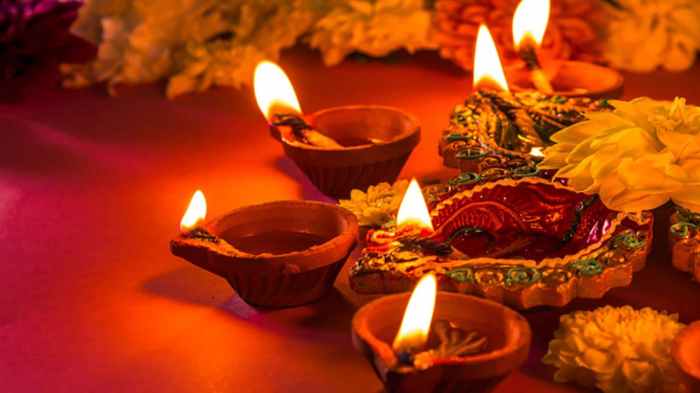
Diyas, the small earthen lamps, are more than just illuminating objects during Diwali. Their intricate designs and symbolic representations hold deep cultural and spiritual significance, reflecting the festival’s core values of light overcoming darkness and knowledge triumphing over ignorance. Each meticulously crafted diya tells a story, echoing the rich tapestry of Indian tradition.The designs of diyas, far from being mere aesthetics, carry profound symbolic meanings.
The shapes, patterns, and colors used in their construction are carefully chosen to represent various aspects of life, faith, and the universe. From simple round forms to elaborate multi-tiered structures, each element contributes to the overall narrative.
Significance of Different Designs
The shapes of diyas often mirror natural elements or spiritual concepts. A simple round diya, for example, might represent the cyclical nature of life, while a more complex, multi-faceted structure could symbolize the multifaceted nature of existence or the interconnectedness of the universe.
Symbolism Behind Shapes, Patterns, and Colors
The patterns etched into the diya’s surface and the colors used in its decoration are imbued with specific meanings. Intricate floral designs often symbolize prosperity and abundance. Geometric patterns can represent cosmic order and the harmony of the universe. The use of vibrant colors, like red and gold, often reflects the celebratory atmosphere of Diwali, while earthy tones like terracotta can symbolize the grounding aspects of tradition.
Examples of Elaborate Diya Designs and Their Symbolic Meanings
Several elaborate diya designs showcase a rich tapestry of symbolism. A diya shaped like a lotus flower, for example, symbolizes purity and spiritual enlightenment, drawing inspiration from the lotus’s ability to bloom amidst murky water. Similarly, a diya crafted in the form of a temple or a deity might reflect reverence and devotion to religious figures. These diyas, far from being mere decorative objects, become potent symbols of faith and aspiration.
Common Themes and Motifs in Diya Decorations
Certain motifs and themes frequently appear in diya decorations. Floral patterns, as mentioned before, are prevalent, symbolizing prosperity and growth. Geometric patterns, representing the cosmos and universal order, are also common. Depictions of deities or mythological scenes often feature prominently, reflecting the deep-rooted religious and cultural significance of the festival. The inclusion of these elements further enhances the diya’s symbolic power and aesthetic appeal.
Modern Interpretations of Diwali Diyas
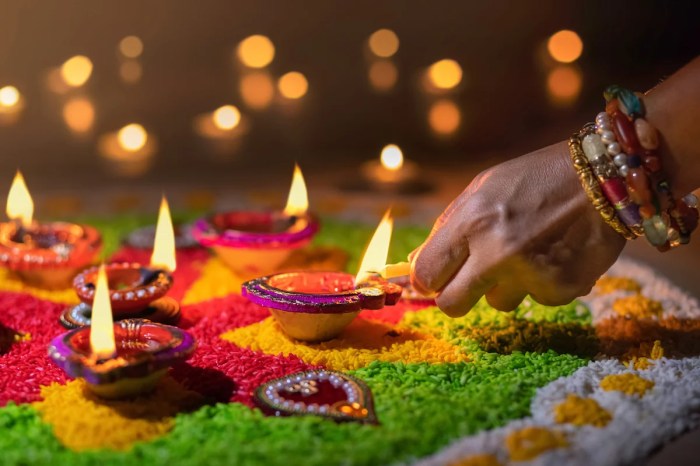
Diwali, the festival of lights, is deeply intertwined with the symbolism of the diya. Traditionally, these earthen lamps represent prosperity, knowledge, and the triumph of good over evil. However, contemporary artists and designers are breathing new life into this ancient tradition, pushing the boundaries of diya design and incorporating innovative materials and techniques.Contemporary interpretations of the diya showcase a fusion of tradition and modernity, reflecting the evolving aesthetic sensibilities of a globalized world.
This reimagining allows the timeless essence of the diya to resonate with a broader audience while preserving its cultural significance.
Innovative Materials and Techniques
The manufacturing process of diyas has seen significant advancements. Beyond the traditional clay, contemporary artisans are experimenting with a diverse range of materials. Recycled materials like glass, metal scraps, and even discarded electronics are finding new life as components in modern diya designs. These materials are often combined with innovative techniques like 3D printing and laser cutting, creating intricate and unique patterns and textures.
This not only reduces waste but also introduces a new dimension to the artistry and craftsmanship of diya making. The use of eco-friendly materials like bamboo and sustainable paints is becoming increasingly popular, reflecting a growing awareness of environmental responsibility.
Unique and Creative Diya Designs
Modern diya designs are pushing the boundaries of traditional aesthetics. Instead of the classic cylindrical shape, designers are experimenting with geometric patterns, abstract forms, and intricate carvings. Some diyas feature intricate depictions of traditional motifs, while others explore completely abstract shapes, inspired by modern art movements. This exploration of form and function results in unique and eye-catching diyas that capture the spirit of Diwali.
Blending Traditional and Contemporary Aesthetics
Modern interpretations of diyas successfully bridge the gap between tradition and contemporary aesthetics. For example, a diya might incorporate a traditional floral motif in a sleek, geometric frame, or a traditional round shape might be adorned with a modern, minimalist design. This blending of styles allows the diyas to retain their cultural significance while appealing to a wider audience with a modern aesthetic.
This is exemplified by the use of vibrant, contemporary colors alongside traditional terracotta hues, creating a striking visual contrast. Moreover, some contemporary diyas incorporate LED lighting, allowing for a modern, energy-efficient way to illuminate the home during Diwali.
Environmental Impact of Diya Production
Diwali, the festival of lights, is celebrated with vibrant diyas, but their production and use can have significant environmental consequences. The choice of materials, manufacturing processes, and even the duration of use all contribute to the overall ecological footprint. Understanding these impacts is crucial for responsible celebration, promoting sustainable alternatives, and minimizing the environmental burden.The production of traditional clay diyas often involves high energy consumption in kilns, and the use of certain dyes and pigments can contribute to water and air pollution.
The disposal of spent diyas, particularly those made of non-biodegradable materials, can pose a long-term waste management challenge.
Material Impacts on the Environment
The environmental impact of diyas is intrinsically linked to the materials used in their creation. Clay, a readily available and renewable resource, is generally considered environmentally friendly when sourced responsibly. However, the manufacturing process and transportation can still introduce some environmental burden. Alternatively, diyas made from plastic, though visually appealing, pose a serious environmental concern due to their non-biodegradability, contributing to plastic pollution.
Moreover, the use of harmful chemicals in some pigments used for decoration further exacerbates the issue.
Eco-Friendly Diya Alternatives
Several eco-friendly alternatives are emerging to lessen the environmental impact of traditional diyas. These alternatives often incorporate sustainable materials and reduce reliance on resource-intensive production methods. Examples include diyas made from biodegradable materials like paper mache, recycled paper, or natural fibers. Additionally, using LED lights as a replacement for traditional diyas eliminates the need for combustion, thereby avoiding air pollution and greenhouse gas emissions.
Reducing the Environmental Footprint of Diwali Diya Usage
Minimizing the environmental footprint of Diwali diya usage requires a multifaceted approach. Firstly, opting for eco-friendly diyas, as discussed above, is a crucial step. Secondly, reducing the number of diyas used and ensuring proper disposal is vital. A mindful approach towards the duration of diya burning and choosing low-emission fuels for larger celebrations are also critical. Lastly, promoting awareness among communities about sustainable practices can encourage widespread adoption of eco-friendly alternatives.
- Choosing Sustainable Materials: Prioritize diyas made from natural and renewable resources like clay, paper, or natural fibers over those made from plastic or other non-biodegradable materials.
- Minimizing Production Energy: Support local artisans and manufacturers employing sustainable manufacturing techniques that minimize energy consumption and pollution.
- Reducing Diya Usage: Consider alternative lighting options like LED candles or solar-powered lamps for a portion of the celebration, reducing the overall number of diyas needed.
- Proper Disposal: Ensure proper disposal of used diyas. Clay diyas can be recycled or composted, while paper or natural fiber diyas can be easily disposed of with household waste. Avoid dumping them in open areas.
Diyas in Art and Literature
Diwali, the festival of lights, is deeply ingrained in Indian culture, finding vibrant expression across various artistic mediums. From ancient temple murals to contemporary paintings, the diya, a small earthen lamp, holds symbolic weight, illuminating not just spaces but also stories and narratives. Its presence in literature and poetry underscores its enduring cultural significance, reflecting the festival’s spiritual and social importance.The diya, often depicted in visual arts and literary works, transcends its functional role as a light source.
It becomes a powerful symbol of hope, prosperity, and the triumph of light over darkness, resonating with audiences across generations. This symbolism, coupled with the artistry of its representation, makes the diya a key element in artistic and literary expressions associated with Diwali.
Examples in Visual Arts
Diwali diyas frequently appear in Indian paintings, sculptures, and photographs. These depictions often emphasize the intricate craftsmanship and diverse designs of the lamps. Miniature diyas, meticulously crafted, are often featured alongside other festival elements like rangoli patterns and celebratory gatherings. The use of color and light in the imagery further enhances the visual appeal and symbolic weight of the diya.
Paintings, particularly those reflecting Hindu mythology, frequently incorporate diyas to represent auspicious occasions or moments of spiritual significance. The depictions vary in style, ranging from traditional folk art to more contemporary interpretations, highlighting the adaptability of the diya’s imagery.
Representation in Literature and Poetry
Diwali diyas feature prominently in Indian literature and poetry, often symbolizing the triumph of good over evil, knowledge over ignorance, and light over darkness. The flickering flame of the diya frequently serves as a metaphor for hope, perseverance, and the enduring spirit of the human soul. Poetic descriptions of diyas often evoke sensory imagery, highlighting the warm glow, gentle flickering, and subtle fragrance associated with these lamps.
The evocative language used in these literary expressions paints a vivid picture of the festival’s ambiance and the deep cultural significance of the diya.
Significance in Storytelling and Cultural Narratives
Diyas play a crucial role in storytelling and cultural narratives associated with Diwali. They are often used to mark significant events, such as the return of deities or the victory of virtuous figures over adversity. In these narratives, the diya acts as a visual representation of hope, joy, and the renewal of life. The consistent presence of diyas in these accounts underscores their importance in perpetuating cultural values and beliefs.
These stories, often passed down through generations, often emphasize the symbolic meaning of the diya, connecting the tangible object to broader spiritual and cultural themes.
Depiction in Artistic and Literary Expressions
The diya’s depiction in artistic and literary expressions is diverse and reflects the evolution of cultural and artistic trends. From intricate carvings on temple walls to contemporary paintings, the diya’s representation mirrors the stylistic shifts and artistic innovation over time. In literary works, the description of diyas ranges from simple to elaborate, highlighting the varied perspectives and artistic choices employed by different writers and poets.
The diya, therefore, remains a dynamic symbol, constantly evolving while retaining its core cultural significance. These diverse depictions showcase the enduring appeal and adaptability of the diya as a symbol in Indian art and literature.
Safety Precautions for Diwali Diyas
Diwali, the festival of lights, is a joyous occasion celebrated with vibrant displays of illumination. However, the use of diyas, traditional oil lamps, necessitates careful consideration of safety protocols to mitigate the risk of accidents. Proper handling and precautions are crucial to ensuring a safe and memorable Diwali celebration for everyone.Properly maintained diyas, when used responsibly, can contribute to a beautiful and safe Diwali.
Negligence, however, can lead to devastating consequences, including fire hazards. Therefore, adherence to safety guidelines is paramount to enjoying the festivities without incident.
Safe Diya Placement and Handling
Proper placement of diyas is critical to preventing accidental fires. Avoid placing diyas near flammable materials such as curtains, clothing, dry leaves, or paper decorations. Ensure a stable surface for the diyas to prevent tipping over and spilling oil, which can lead to ignition. Use dedicated, heat-resistant stands or trays to support the diyas.
Diya Fuel and Oil Safety
Use only the recommended oil types for diyas, and avoid using excessive quantities of oil. Always ensure the oil is completely cooled before refilling the diyas. Never pour oil into a diya while it’s lit, as this can cause a sudden, uncontrolled flare-up. Store oil in a cool, dark place, away from direct sunlight and extreme temperatures.
Supervision and Extinguishing
Children and elderly individuals should be supervised when using diyas. Establish clear guidelines for handling and maintaining diyas, and always supervise the activities of children around the diyas. Always have a method for promptly extinguishing diyas, such as a bucket of sand or water, readily available. Immediately extinguish diyas before leaving the area or going to sleep.
Preventing Fire Hazards
A crucial aspect of diya safety is preventing fire hazards. Never leave diyas unattended. Keep matches and lighters away from children. Ensure that electrical wiring and appliances are well-maintained and not near the diyas. Maintain a clear distance between diyas to avoid heat transfer and ignition.
- Never place diyas on dry leaves or paper decorations.
- Avoid placing diyas near flammable materials like curtains or clothing.
- Ensure the diya’s base is stable to prevent tipping.
- Use appropriate, heat-resistant stands.
Safe Handling Practices During Diwali
Safe handling of diyas during Diwali celebrations is crucial to prevent accidents. Ensure that individuals handling diyas are aware of the potential fire risks. Organize a dedicated area for diya lighting and maintenance. Have a clear plan for extinguishing diyas if needed, such as readily available water or sand.
- Avoid using diyas near combustible materials like dry leaves or paper.
- Always supervise children when handling diyas.
- Use only the recommended oil type for diyas.
- Never leave diyas unattended.
Diwali Fire Safety Tips
Preventing fire hazards associated with diyas requires proactive measures. Keep flammable materials away from diyas. Ensure a clear escape route in case of fire. Practice fire safety drills with family members and neighbors. Have a readily available fire extinguisher.
- Use a non-combustible surface for placing diyas.
- Ensure adequate ventilation to prevent the buildup of flammable gases.
- Have a fire extinguisher readily available.
- Establish a clear fire evacuation plan.
Closing Notes
Diwali diyas, more than mere lamps, are potent symbols of cultural heritage and artistic expression. Their evolution, from traditional clay designs to modern interpretations, reflects societal changes and artistic innovation. As we conclude this journey, it’s clear that diyas continue to illuminate Diwali celebrations, embodying the enduring spirit of the festival and its rich cultural significance.
