
Transforming ordinary chairs into statement pieces requires careful consideration of design, materials, and execution. This comprehensive guide delves into the world of chair cover patterns, exploring diverse options from classic floral motifs to modern geometric designs. Understanding the intricacies of pattern selection, sizing, and sewing techniques is crucial for achieving the desired aesthetic and functionality.
The guide covers a wide spectrum of topics, from evaluating various materials like fabric, vinyl, and leather, to dissecting different pattern types, complexities, and sizing methodologies. It also provides valuable insights into cost-effectiveness, storage, and maintenance for long-term enjoyment.
Chair Cover Types
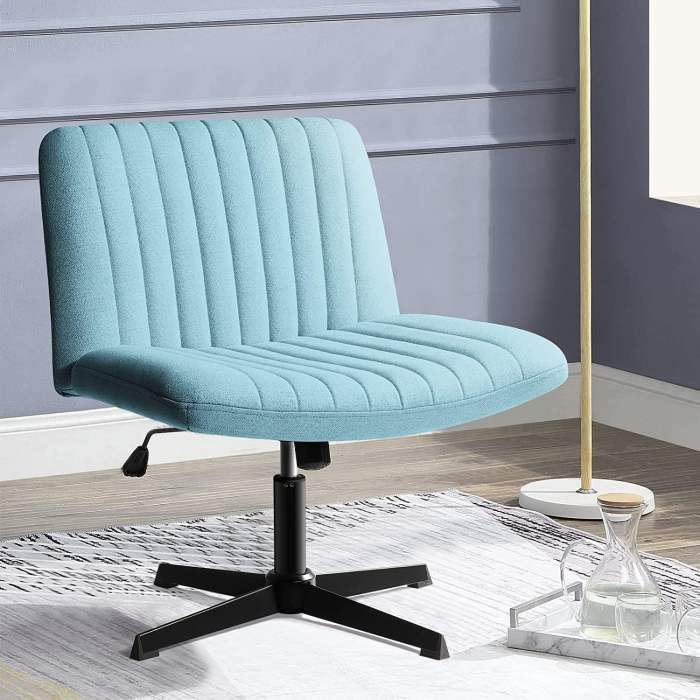
Choosing the right chair cover material is crucial for both aesthetics and longevity. The ideal choice depends on the chair’s intended use, the desired level of protection, and the overall style of the room. Different materials offer varying degrees of durability, ease of cleaning, and aesthetic appeal. Understanding these factors allows for informed decisions when selecting chair covers.Material selection for chair covers often involves a trade-off between practicality and appearance.
Some materials are highly resistant to stains and wear but might not offer the same visual appeal as others. Conversely, materials that excel in terms of aesthetics might require more frequent cleaning or display signs of wear more readily. A thoughtful evaluation of the desired balance between these factors is essential for a successful outcome.
Chair Cover Materials
Various materials are employed for chair covers, each possessing unique properties that influence their suitability for different chair types. Fabric, vinyl, and leather are among the most common choices.
Material Characteristics
This section details the characteristics of each material, emphasizing their durability, ease of cleaning, and aesthetic properties.
| Material | Characteristics | Chair Type Suitability |
|---|---|---|
| Fabric (e.g., cotton, linen, velvet) | Generally comfortable and breathable; offers a wide range of colors and patterns. Can vary greatly in durability depending on the specific fabric. Cleaning methods may vary, requiring care to avoid damage. | Suitable for dining chairs, occasional chairs, and chairs in living rooms where comfort and style are prioritized. Less durable options might not be ideal for high-traffic areas or heavily used chairs. |
| Vinyl | Highly durable and water-resistant; easy to clean with soap and water. Available in a wide range of colors and patterns. Can be more susceptible to scratches and tears compared to leather. | Excellent for outdoor furniture, kitchen chairs, and chairs exposed to spills or other hazards. Less suitable for formal settings where a more refined aesthetic is desired. |
| Leather | Durable, luxurious, and resistant to stains and water. Generally requires specialized cleaning to maintain its quality. Can be expensive. Available in various colors and finishes, offering a high-end aesthetic. | Suitable for high-end dining chairs, office chairs, and chairs in formal settings. Durability and appearance make it a suitable choice for demanding environments. The cost and specialized care requirements should be considered. |
Suitability for Different Chair Types
The ideal chair cover material depends heavily on the specific type of chair and its intended use. Dining chairs, for example, might benefit from a fabric cover for comfort and style, while kitchen chairs exposed to spills might require a more durable vinyl option.
Design Inspiration
Transforming ordinary dining rooms into captivating spaces often hinges on the subtle yet impactful details. Chair covers, with their ability to instantly alter the aesthetic of a room, play a crucial role in this transformation. Choosing the right patterns and colors for chair covers can elevate a room’s ambiance, creating a cohesive and visually appealing atmosphere. This section delves into the world of design inspiration, exploring various patterns, color palettes, and matching strategies.Understanding the interplay between chair covers and room decor is paramount.
Successful pairings result in a harmonious blend of style and functionality, enhancing the overall aesthetic experience. The key lies in selecting patterns and colors that complement, rather than clash with, the existing room design elements.
Chair Cover Patterns
Chair covers offer a versatile canvas for expressing personal style. From classic florals to contemporary geometrics, a wide array of patterns cater to diverse tastes and preferences. Choosing the right pattern sets the tone for the entire room.
- Floral patterns evoke a sense of romance and natural beauty. They can range from delicate, pastel blooms to bold, dramatic arrangements, offering a wide spectrum of options to suit different decor styles. A dining room featuring a floral pattern on chair covers could evoke a warm and inviting ambiance, particularly if the room already includes natural elements like wood or plants.
- Geometric patterns offer a modern and sophisticated aesthetic. Striking lines and shapes can create a bold statement, particularly when combined with a neutral color palette. A dining area featuring geometric patterns on the chair covers can exude a sense of contemporary elegance, if the room’s overall design already incorporates clean lines and geometric shapes.
- Striped patterns provide a timeless and versatile option. Horizontal stripes can visually elongate the room, while vertical stripes can create an impression of height. Striped chair covers can be a practical choice, adding a touch of sophistication and visual interest without being overly assertive.
Color Palettes
Selecting the right color palette is crucial for creating a cohesive and aesthetically pleasing design. Consider the existing color scheme of the room when choosing chair cover colors.
- Neutral color palettes, such as beige, gray, or cream, offer a versatile backdrop that complements a wide range of decor styles. They provide a sophisticated and timeless look, while allowing other room elements to take center stage.
- Bold colors, such as deep reds, rich blues, or vibrant yellows, can inject a sense of energy and excitement into a room. These colors can create a dramatic statement when strategically incorporated, such as in a dining room with a predominantly neutral color scheme.
- Monochromatic color schemes, utilizing variations of a single color, create a sense of elegance and sophistication. This approach allows for subtle nuances in the shade of the chair covers, while still maintaining a cohesive look, particularly useful for rooms with a strong focal point.
Matching Chair Covers to Room Decor
Matching chair covers to existing room decor ensures a seamless and visually appealing aesthetic.
- Consider the existing color palette in the room. Choose chair cover colors that complement and enhance the existing color scheme, avoiding clashing or jarring color combinations. For instance, a dining room with a predominantly red color scheme might benefit from chair covers in a similar shade, such as a deeper red or burgundy.
- Think about the room’s overall style. Whether the room is modern, traditional, or contemporary, select chair cover patterns and colors that align with the overall design aesthetic. For example, a modern dining room could incorporate geometric patterns on chair covers, while a traditional room could benefit from floral or damask patterns.
- Use patterns and colors to add visual interest or create a focal point. Patterns and colors can be used to draw attention to specific areas of the room or to create a cohesive and visually appealing design.
Enhancing Room Ambiance
Selecting patterns and colors for chair covers can significantly enhance the ambiance of a room. A thoughtful selection can create a warm and inviting atmosphere or a modern and sophisticated feel.
- Consider the overall mood you want to create. For example, a warm and inviting ambiance could be achieved by using warm colors and floral patterns, while a contemporary and modern feel could be created with geometric patterns and neutral colors.
- Pay attention to the lighting in the room. The lighting in a room can affect how colors and patterns appear, so consider how these elements will interact with the light in the space. For example, a room with abundant natural light might benefit from brighter colors, while a room with limited natural light might benefit from warmer colors and patterns.
Pattern Variations
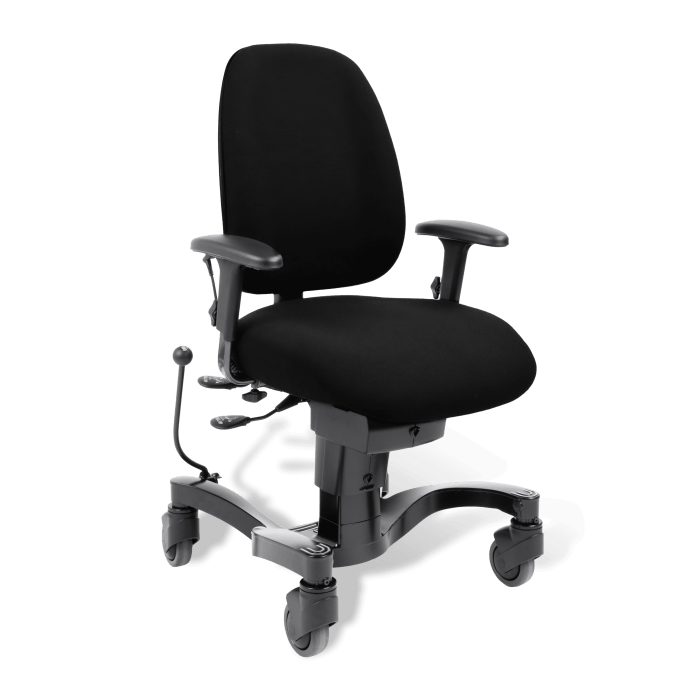
Chair cover patterns, a critical element in aesthetic appeal, extend far beyond simple solids. They offer a dynamic canvas for expressing personal style and reflecting broader cultural influences. The choice of pattern, from subtle weaves to bold prints, significantly impacts the overall look and feel of a room.Pattern selection in chair covers hinges on several factors, including the desired aesthetic, the overall room décor, and the specific chair style.
Understanding the different types of patterns, the techniques employed, and the impact of scale and placement is crucial for achieving a cohesive and visually engaging space.
Types of Patterns
Different patterns offer distinct visual characteristics and evoke various moods. Woven patterns, often featuring intricate geometric or floral designs, lend a handcrafted, artisanal touch. Embroidered patterns, frequently incorporating detailed floral or symbolic motifs, impart a sense of elegance and sophistication. Printed patterns, offering a wider range of motifs and colors, provide versatility and adaptability to diverse design palettes.
The selection of pattern type influences the perceived texture and visual weight of the chair covers.
Pattern Creation Techniques
The techniques used to create patterns on chair covers significantly impact their appearance and durability. Woven patterns are often produced using looms, resulting in tightly bound and often highly durable designs. Embroidery techniques, ranging from hand-stitching to machine embroidery, offer a level of detail and artistry that is particularly evident in delicate or intricate patterns. Printed patterns rely on various printing methods, from screen printing to digital printing, enabling a wide range of colors and designs to be reproduced.
Impact of Pattern Size and Placement
The scale and placement of a pattern significantly affect the visual impact of chair covers. Large-scale patterns can create a dramatic statement, while smaller patterns can enhance a subtle aesthetic. The placement of a pattern should complement the shape and size of the chair, ensuring the design doesn’t overwhelm or underwhelm the piece. For example, a large floral pattern might be overpowering on a small accent chair but ideal for a substantial dining chair.
Similarly, a delicate paisley pattern might enhance a small armchair but lack impact on a larger, statement piece.
Style and Cultural Influences
Patterns often reflect specific eras or cultural influences. Art Deco patterns, prevalent in the 1920s and 1930s, featured geometric shapes and bold colors. Floral patterns, frequently seen in Victorian and Renaissance styles, embodied the elegance and craftsmanship of those eras. Contemporary designs often blend traditional and modern aesthetics, creating unique and personalized expressions. Understanding the cultural significance behind a pattern can enrich the appreciation for its design and historical context.
Pattern Complexity

Crafting chair covers involves navigating a spectrum of design complexities, from straightforward stripes to intricate embroidery. Understanding the nuances of pattern difficulty is crucial for both beginners and experienced crafters to set realistic expectations and manage project timelines effectively. This section delves into the grading of pattern difficulty, practical steps for creating a basic pattern, and techniques for adapting existing designs to unique chair shapes.The complexity of a chair cover pattern hinges on several factors, including the number of different fabric pieces required, the level of precision demanded during construction, and the presence of intricate embellishments.
A simple stripe pattern might be tackled by a novice, whereas an elaborate floral design incorporating hand-stitched details would necessitate more experience and skill.
Pattern Difficulty Comparison
A comparative analysis of pattern difficulty can guide individuals in selecting a project that aligns with their current skill level. The table below illustrates the general grading of pattern complexity.
| Pattern Type | Description | Difficulty Level |
|---|---|---|
| Simple Stripes | Repetitive, straightforward design. | Beginner |
| Geometric Patterns | Clear, defined shapes. | Intermediate |
| Floral Designs | Intricate, detailed flower patterns. | Intermediate to Advanced |
| Embroidered Designs | Hand-stitched embellishments. | Advanced |
| Draped or gathered patterns | Requires more fabric manipulation and attention to detail. | Intermediate to Advanced |
Creating a Simple Chair Cover Pattern
A straightforward chair cover pattern, such as a simple stripe design, offers a rewarding entry point for beginners. The steps Artikeld below detail the process.
- Measure the Chair: Carefully measure the width and depth of the chair seat, as well as the height of the chair back. These measurements are crucial for accurate pattern construction.
- Sketch the Pattern: Using graph paper or a design software, sketch the basic shape of the chair cover. The sketch should incorporate the measured dimensions and desired pattern details. Consider using a template to ensure accuracy.
- Fabric Selection: Choose a fabric that is suitable for the intended chair cover and that aligns with the design. Factors to consider include the fabric’s drape, weight, and color.
- Cutting: Cut the fabric pieces according to the pattern. Precision is essential to avoid issues during assembly.
- Assembly: Carefully sew the fabric pieces together following the pattern instructions. Use appropriate seams and techniques to achieve a professional finish. Consider adding an interfacing to increase the chair cover’s structural integrity.
Adjusting Existing Patterns
Existing patterns can be adapted to suit diverse chair shapes and sizes. This adaptability enhances the versatility of the pattern library.
- Chair Shape Modification: Patterns can be altered to accommodate various chair shapes, such as armchairs, wingback chairs, or stools. Carefully measure the specific dimensions of the chair and modify the pattern accordingly. Using a tracing paper is recommended to avoid any damage to the original pattern.
- Pattern Scaling: If the chair is larger or smaller than the original pattern dimensions, the pattern can be scaled up or down to match the specific chair size. Utilize a scale ruler to maintain proportionality and ensure accurate measurements.
Adding and Modifying Patterns
Adding or modifying patterns provides a unique opportunity to create custom chair covers.
- Adding Embellishments: Incorporating embroidery, appliqués, or other embellishments to existing patterns can elevate the chair cover’s aesthetic appeal. The embellishments can be strategically placed to complement the existing design. Consider the design and skill level required for adding the embellishments to the pattern.
- Color Variations: Changing the colors used in the pattern can dramatically alter the overall look and feel of the chair cover. Color palettes can be carefully selected to create a harmonious or contrasting effect. A color wheel can assist in choosing complementary colors.
Pattern Sizing and Fit
Precise chair cover patterns require accurate sizing to ensure a perfect fit. Incorrect measurements lead to wasted fabric and poorly fitting covers. Understanding chair dimensions and fabric needs is critical for efficient pattern creation and client satisfaction. This section details the process of calculating fabric requirements and adapting patterns for diverse chair styles.
Calculating Fabric Requirements
Accurate fabric calculations are essential for optimal results. Precise measurements of chair dimensions are the foundation for accurate fabric calculations. These calculations depend on the chair’s shape and the type of cover being made.
Formula for Rectangular Chair Seat: Area = Length x Width. This calculates the fabric needed for the seat alone. Add allowances for seams and hems to the total.
Consider the depth and width of the seat, plus additional fabric needed for the back and any armrests.
Adjusting Patterns for Different Chair Styles
Adapting patterns to different chair styles requires careful consideration of the chair’s unique design elements. Armchairs, dining chairs, and other styles necessitate pattern modifications to accommodate variations in armrests, backs, and overall structure.
- Armchairs: Armchair patterns require allowances for the armrests and often have different back designs compared to dining chairs. Careful consideration of the curvature and shape of the armrests is essential.
- Dining Chairs: Dining chairs often have simpler backs and seats, making pattern adaptation less complex than for armchairs. However, the variations in chair widths and depths must be accounted for.
Methods for Creating Patterns that Fit Different Chair Dimensions
Several methods can be used to create patterns that accommodate various chair dimensions. A combination of precise measurements and adaptable pattern templates is ideal.
- Detailed Measurements: Precise measurements of the chair’s dimensions are crucial. Measure the seat width, depth, back height, and armrest dimensions. Consider the chair’s overall shape. This detailed data will be used to create a tailored pattern.
- Pattern Alterations: Adjusting existing patterns to match chair dimensions may be necessary. Use a pattern-making tool or software to make necessary modifications to the pattern pieces.
- Drafting New Patterns: Creating entirely new patterns may be required for unique chair designs or when existing patterns are not readily adaptable.
Table of Chair Dimensions, Fabric Needs, and Pattern Adjustments
This table illustrates the relationship between chair dimensions, fabric requirements, and necessary pattern adjustments. The specific values are examples, and actual values will vary based on individual chair designs and fabric choices.
| Chair Dimensions (Example) | Fabric Needs (Example) | Pattern Adjustments |
|---|---|---|
| Seat Width: 18 inches; Seat Depth: 16 inches; Back Height: 18 inches | Fabric: 3 yards (assuming 54″ wide fabric); Seam allowance: 1 inch | Adjust pattern for 18-inch back height, add extra fabric for seat depth and width |
| Seat Width: 20 inches; Seat Depth: 18 inches; Back Height: 20 inches; Armrest width: 6 inches | Fabric: 4 yards (assuming 54″ wide fabric); Seam allowance: 1.5 inches | Modify pattern to accommodate armrests and increase fabric for the back |
| Seat Width: 16 inches; Seat Depth: 14 inches; Back Height: 16 inches | Fabric: 2.5 yards (assuming 54″ wide fabric); Seam allowance: 1 inch | Reduce pattern size to fit the smaller chair dimensions |
Pattern Creation Methods
Crafting bespoke chair covers demands meticulous pattern creation. This phase, often overlooked, is critical for achieving a precise fit and a visually appealing final product. Understanding various methods, from traditional techniques to digital innovation, is essential for achieving optimal results.Effective pattern creation underpins the entire chair cover project. Whether using pre-existing templates or embarking on a custom design, the chosen method impacts the accuracy, efficiency, and ultimately, the quality of the finished product.
Custom Chair Cover Pattern Creation
Creating a custom chair cover pattern involves meticulous measurements and precise drafting. Accurate measurements of the chair’s dimensions, including seat depth, width, and back height, are paramount. These measurements form the foundation of the pattern, ensuring a tailored fit. Carefully consider the desired style and fabric type. Fabric drape and texture can influence the pattern’s design.
The pattern must account for seams, hems, and any necessary allowances for the fabric’s stretch or shrinkage.
Digital Tools and Software for Pattern Design
Digital design software has revolutionized pattern creation. Software like Adobe Illustrator or specialized pattern-making programs offer tools for precise measurements, complex curves, and intricate designs. These tools enable users to create and manipulate patterns with high accuracy, facilitating adjustments and modifications with ease. Digital tools also allow for the creation of multiple pattern variations quickly, essential for achieving the desired fit and aesthetic.
The ability to visualize the pattern on the chair in a digital mockup is invaluable. This digital representation allows for pre-production adjustments and minimizes errors.
Creating Patterns Using Templates and Tracing Methods
Traditional methods, using templates and tracing, remain viable options. Pre-existing templates for standard chair styles provide a starting point for creation. Carefully trace the template onto paper, ensuring precise alignment. Consider adding necessary allowances for seams and hems. These allowances are crucial for ensuring a smooth and professional finish.
Templates can be adapted and modified to suit unique chair dimensions and design requirements. Tracing provides a straightforward method for creating chair cover patterns based on existing shapes.
Freehand Drawing Techniques for Chair Cover Patterns
Freehand drawing techniques offer flexibility for unique designs. Experienced designers can create custom patterns without relying on templates or software. A deep understanding of chair anatomy and fabric manipulation is essential. A combination of freehand sketching and careful measurement can produce complex designs. Using a ruler and compass can enhance accuracy and consistency in the creation of freehand patterns.
Careful consideration of the chair’s curves and the fabric’s drape are key to creating a harmonious design.
Fabric Selection
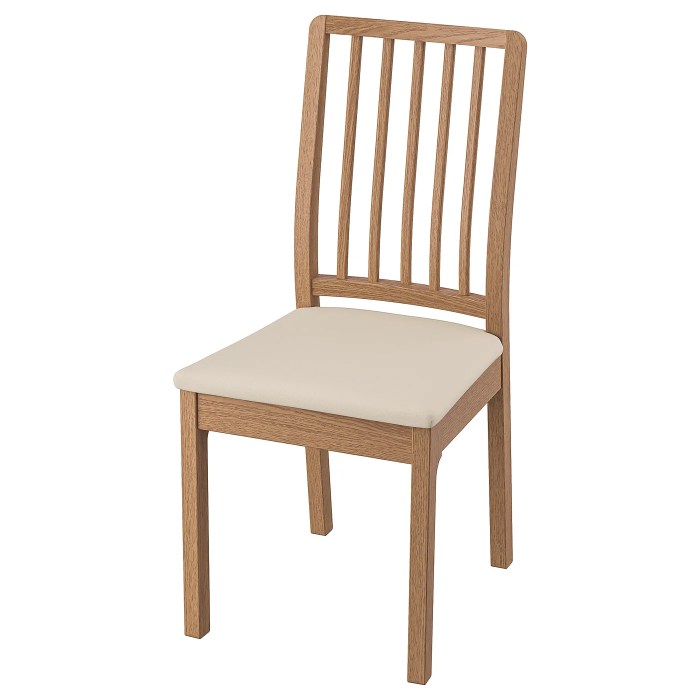
Choosing the right fabric is critical for chair covers, impacting both aesthetics and longevity. The fabric’s weight, texture, and inherent properties will determine the cover’s drape, comfort, and ability to withstand everyday use. Considerations such as stain resistance and durability are paramount, especially for high-traffic areas or households with children and pets.Selecting the appropriate fabric directly influences the chair cover’s overall appearance and performance.
The fabric’s drape, texture, and color palette play a crucial role in complementing the existing décor and creating a cohesive design aesthetic. Fabric weight and type will impact the cover’s ability to resist wrinkles, maintain its shape, and resist stretching or tearing over time.
Suitable Fabrics for Chair Covers
A wide array of fabrics are suitable for chair covers, each offering unique characteristics. Considerations include the desired aesthetic, the level of comfort, and the anticipated level of wear and tear.
- Cotton: A popular choice due to its breathability, affordability, and versatility. Cotton fabrics are generally easy to care for and come in various weights and textures, from lightweight quilting cottons to heavier canvas-like options.
- Polyester: Known for its durability, wrinkle resistance, and ability to hold its shape. Polyester blends are often used for their stain resistance and ability to withstand repeated washings.
- Velvet: A luxurious fabric with a soft, plush texture, velvet creates a rich and elegant look. However, velvet is less durable and more susceptible to snags and wrinkles compared to other options.
- Linen: A natural fiber known for its unique texture and subtle drape. Linen adds a touch of sophistication to chair covers, but it is less stain-resistant and requires more care compared to synthetic options.
- Chenille: A textured fabric with a fuzzy or looped surface, chenille adds visual interest and a soft feel to chair covers. Chenille is often used in upholstery and is durable enough for chair covers, but can be more expensive.
Fabric Weight and Texture Characteristics
Fabric weight significantly impacts the chair cover’s drape, feel, and overall appearance. Heavier fabrics often drape better and provide more structure, while lighter fabrics offer a more airy and casual feel.
| Fabric Weight | Characteristics | Suitability |
|---|---|---|
| Lightweight | Drapes easily, offers a casual feel, may wrinkle more easily. | Good for informal dining areas, or chairs with a simple design. |
| Medium Weight | Provides a balanced drape, good for moderate use, and holds its shape well. | Suitable for most settings, including living rooms and dining areas. |
| Heavyweight | Drapes less, provides structure and durability, resistant to stretching and wrinkles. | Excellent for high-traffic areas, or areas with children or pets. |
Fabric Durability and Stain Resistance
Durability and stain resistance are crucial factors for chair covers in high-use environments. Fabric durability will impact the cover’s lifespan, while stain resistance is essential for maintaining the cover’s appearance.
- Durability: A durable fabric can withstand frequent use, cleaning, and potential wear and tear. Factors such as weave density, fiber type, and construction contribute to the overall durability of the fabric.
- Stain Resistance: Stain resistance is essential in households with children or pets. Fabric treatments, such as water or oil repellents, can enhance stain resistance and make cleaning easier.
Factors in Fabric Selection for Specific Designs
Choosing the right fabric for a specific design depends on various factors. These include the chair’s style, the overall décor, and the intended use of the space.
- Chair Style: The chair’s design and silhouette will influence the fabric’s drape and texture. For example, a modern, minimalist chair might look best with a smooth, solid-colored fabric, while a more ornate chair might benefit from a patterned or textured fabric.
- Décor: The overall décor of the room should be considered when choosing a fabric. The fabric’s color, pattern, and texture should complement the existing furniture and wall colors.
- Intended Use: The intended use of the space will determine the fabric’s durability and stain resistance needs. A dining room, for example, might require a more stain-resistant fabric than a living room.
Sewing Techniques
Mastering the craft of chair cover creation hinges on proficient sewing techniques. Precise stitching and decorative embellishments elevate the final product, transforming a simple covering into a statement piece. Understanding various approaches to attaching closures, like zippers or buttons, is crucial for functionality and aesthetic appeal.
Basic Seams
Fundamental sewing techniques are essential for chair covers. Accurate seam allowances ensure a clean and professional finish. Precisely aligning fabric pieces and using the appropriate stitch length and width are key to creating strong and aesthetically pleasing seams. Matching fabric patterns and ensuring smooth transitions between sections are crucial. Overlocking or serging seams can further enhance the longevity and professional appearance of the chair cover.
Decorative Stitches
Adding decorative touches elevates chair covers from basic coverings to stylish designs. Embellishments, like decorative stitches, piped edges, or appliqué, transform the aesthetic. Embroidered patterns, for instance, can create a bespoke look. Selecting appropriate decorative stitches complements the overall design and elevates the chair cover’s visual appeal.
Creating Decorative Edges
Enhancing the edges of chair covers adds a touch of sophistication. Using rolled hems, bias tape, or decorative binding techniques create visually appealing edges. These techniques complement the chair cover’s overall design and elevate its visual appeal. For instance, a delicate ruffle along the bottom edge can transform a basic chair cover into a statement piece. The chosen edge treatment directly influences the chair cover’s aesthetic.
Attaching Closures
Securing the chair cover requires robust closure methods. Buttons, zippers, or ties all offer different functionalities and aesthetics. Using appropriate buttonholes, installing zippers smoothly, or tying secure knots are essential for long-term use and prevent wear and tear. Button placements and zipper configurations need careful consideration to achieve both functionality and visual appeal.
Summary of Sewing Techniques
| Sewing Technique | Description | Example |
|---|---|---|
| Basic Seams | Precise stitching of fabric pieces; matching patterns; ensuring smooth transitions. | Seaming fabric panels together to create a chair seat cover. |
| Decorative Stitches | Adding embellishments such as embroidered patterns, piped edges, or appliqué. | Embroidering floral designs on the back of a dining chair cover. |
| Creating Decorative Edges | Enhancing the edges with techniques like rolled hems, bias tape, or decorative binding. | Using a decorative binding to finish the armrest edges of a chair cover. |
| Attaching Closures | Securing the chair cover using buttons, zippers, or ties. | Using concealed zippers for a sleek chair back cover. |
Chair Cover Maintenance
Maintaining chair covers is crucial for preserving their aesthetic appeal and longevity. Proper cleaning and care, coupled with preventative measures, can significantly extend the lifespan of these investments, ensuring they remain a stylish and functional part of your furniture for years to come. Choosing the right cleaning and care strategies is essential to avoid damage and maintain the quality of your chair covers.Understanding the materials used in chair covers is fundamental to effective maintenance.
Different fabrics react differently to cleaning solutions and methods. This knowledge is key to avoiding irreversible damage and preserving the integrity of the cover. Knowing how to protect chair covers from wear and tear and extend their lifespan is critical for maintaining the overall aesthetic and functionality of your furniture.
Cleaning and Care for Different Materials
Proper cleaning methods vary significantly based on the fabric composition of the chair cover. Acrylic, polyester, or cotton covers often benefit from gentle cleaning, while delicate materials like silk or velvet require even more careful attention. A general guideline is to always check the manufacturer’s care instructions for specific recommendations.
- Acrylic and Polyester: These are generally more durable and can be spot cleaned or gently washed with mild detergent and cool water. Avoid harsh chemicals or excessive heat, as this can damage the fabric’s fibers or cause discoloration. For more stubborn stains, consider a specialized stain remover designed for synthetic fabrics. Professional dry cleaning is a reliable option for heavily soiled covers.
- Cotton: Cotton covers are often machine washable, although it’s recommended to check the care label. Use a gentle cycle with a mild detergent and cool water. Avoid using bleach, as it can fade or damage the fabric. Air dry the cover to prevent shrinkage or damage from excessive heat.
- Linen: Linen covers require a delicate approach. Spot cleaning with a mild detergent solution is usually sufficient. Avoid harsh scrubbing or machine washing, as this can lead to damage and shrinking. Line dry the cover for best results.
- Velvet and Silk: These materials are extremely delicate and require professional cleaning. Attempting to clean these covers yourself could result in irreversible damage. Specialized dry cleaning services are crucial to preserve the delicate texture and sheen of these materials.
Stain Removal Strategies
Prompt action is crucial for effective stain removal. Different stains react differently to cleaning agents.
- Food Stains: Act quickly to blot up spills with a clean cloth. Avoid rubbing, as this can spread the stain. Use a mild detergent solution for persistent stains, following the care instructions for the specific fabric. For oil-based stains, consider using a specialized stain remover.
- Drink Stains: Immediately blot up spills with a clean cloth. For water-based stains, use a damp cloth to gently blot. For wine or other colored drinks, consider using a specialized stain remover or a mixture of white vinegar and water, following the fabric’s care instructions. Always test any cleaning solution in an inconspicuous area first.
- Ink Stains: Act quickly to blot up ink spills. Avoid rubbing. Use a specialized ink stain remover or a mixture of rubbing alcohol and water, following the care instructions for the specific fabric. Always test any cleaning solution in an inconspicuous area first.
Protecting Chair Covers from Wear and Tear
Protecting chair covers from wear and tear involves proactive strategies. These strategies can prevent damage and extend the lifespan of your investment.
- Regular Inspection: Regularly inspect your chair covers for signs of wear and tear, such as frayed edges or loose threads. Address these issues promptly to prevent further damage.
- Protective Furniture Pads: Using protective furniture pads underneath chair covers can prevent abrasion and scratches from the chair’s legs.
- Proper Seating Habits: Encouraging guests to avoid dragging chairs across the floor or applying excessive pressure on the chair cover can minimize wear and tear.
Prolonging Chair Cover Lifespan
Implementing preventive measures can substantially extend the lifespan of chair covers. Regular maintenance and protection can prevent costly replacements.
- Cover Removal: Removing the chair covers periodically and storing them in a cool, dry place can prevent dust buildup and maintain their appearance.
- Proper Storage: Proper storage, such as folding and storing the covers in a dust-free container, will preserve their shape and prevent wrinkles.
Cost Considerations
Transforming bare chairs into stylish statement pieces often hinges on meticulous cost management. Understanding the various components influencing the final price tag is crucial for both DIY enthusiasts and professionals alike. Careful budgeting ensures projects stay within desired financial parameters, and allows for informed decision-making regarding materials and techniques.
Fabric Costs
Fabric selection significantly impacts the overall cost. Luxury fabrics like velvet or silk will command a premium, while more affordable options like cotton or linen offer a more budget-friendly alternative. Consider the yardage needed, as this directly correlates to the total fabric expenditure. High-quality, patterned fabrics can also increase the cost, as their production often involves more intricate processes.
Tooling and Supplies
Essential sewing tools, including needles, thread, and interfacing, contribute to the overall project cost. Specialized tools, such as a serger or a quilting hoop, will elevate the cost. Additionally, consider the cost of notions, like zippers, buttons, and elastic, which are often overlooked but can significantly influence the final price. A detailed checklist of required tools and materials can streamline the process and avoid unexpected expenses.
Time Investment
The time dedicated to creating chair covers significantly impacts the project’s overall cost. Experienced sewers can complete projects rapidly, but beginners might need more time, potentially increasing the cost if hourly rates are factored in. The complexity of the pattern directly correlates to the time investment. Detailed patterns with intricate designs require a substantial time commitment.
Custom Design Considerations
Custom-designed chair covers often command higher prices due to the specialized nature of the work. A professional designer’s expertise in pattern creation, fabric selection, and execution can add to the overall project cost. The complexity of the design, including intricate embroidery or unique embellishments, further elevates the cost.
Estimating Project Costs
A precise estimate for a chair cover project requires a breakdown of each component. This includes calculating the fabric yardage, cost of tools, and the estimated time required for completion. Estimating the cost of custom-designed covers demands a detailed understanding of the designer’s fees and the time commitment involved in the creation process. A detailed materials list and estimated time are essential for accuracy.
Using a spreadsheet or project management software can assist in compiling and organizing these estimates.
Example Cost Breakdown Table
| Materials | Cost Estimate (USD) | Overall Project Cost (USD) |
|---|---|---|
| Fabric (Cotton, 1.5 yards) | 15.00 | |
| Thread, needles, interfacing | 5.00 | |
| Notions (buttons, zippers) | 2.00 | |
| Time (2 hours @ $20/hour) | 40.00 | |
| Total | 62.00 | 62.00 |
Note: This is a simplified example. Actual costs can vary based on specific fabric choices, complexity, and location.
Pattern Storage and Organization
Mastering the art of chair cover design hinges not just on crafting exquisite patterns but also on efficient organization. Proper pattern storage ensures easy access and prevents costly errors due to mislaid or damaged templates. A well-structured system streamlines the entire design process, from initial concept to final product.Effective pattern storage is crucial for both individual crafters and design businesses.
It reduces wasted time searching for specific patterns, maintains the integrity of the designs, and promotes a smooth workflow. A streamlined system allows for quick adjustments and revisions, crucial for adapting patterns to various chair types and fabric choices.
Optimal Storage Methods
Efficient pattern storage involves a combination of physical and digital methods. A well-organized system combines the tactile feel of physical patterns with the accessibility of digital files.
- Physical Storage: Physical storage options range from simple folders to dedicated pattern boxes. For smaller collections, clear plastic folders are excellent for individual patterns, providing protection against dust and damage while enabling quick identification. Larger collections benefit from dedicated pattern boxes, often with dividers to organize patterns by style, chair type, or project. Labeling is paramount, using clear, concise labels indicating pattern name, chair type, and relevant project details.
This ensures effortless retrieval and reduces confusion.
- Digital Storage: Digital storage is indispensable in the modern design world. Digital files, saved on a computer or cloud storage, provide instant access to patterns from anywhere. Organizing digital patterns involves creating folders with clear and descriptive names. Using metadata such as s, project descriptions, or fabric types can significantly enhance search functionality. Backups of digital files are vital to safeguard against data loss, ensuring the longevity of the patterns.
Organizing for Easy Retrieval
Creating a logical system for organizing patterns is vital for quick retrieval. This method minimizes wasted time and promotes a smooth design process.
- Categorization: Categorizing patterns by chair type (e.g., dining room chairs, armchairs) or style (e.g., modern, traditional) allows for quick location. Adding subcategories for specific design elements (e.g., button details, ruffles) enhances searchability.
- Color Coding: Using color-coded folders or tabs for different categories can significantly improve the visual organization of patterns, allowing for quick identification.
- Labeling: Clear, concise labels for every pattern are crucial. Include pattern name, chair type, size, and any relevant design details to aid in fast retrieval.
Pattern Storage and Retrieval Flowchart
| Step | Action |
|---|---|
| 1 | Identify the desired chair cover pattern. |
| 2 | Determine the storage location (physical or digital). |
| 3 | If physical, locate the corresponding folder or box. |
| 4 | If digital, search for the pattern using appropriate s or filters. |
| 5 | Retrieve the pattern. |
| 6 | Verify the pattern’s accuracy and completeness. |
Final Conclusion
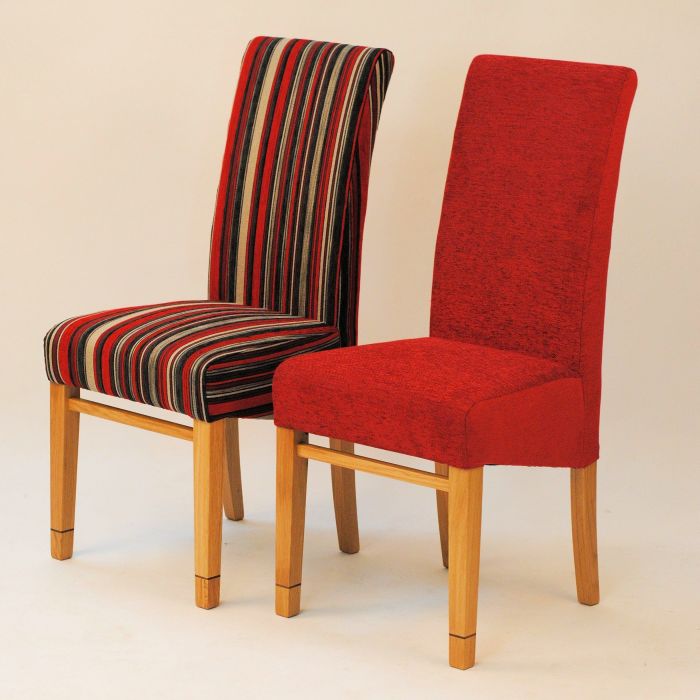
In conclusion, crafting stylish chair covers involves a blend of artistic vision and practical know-how. This guide provides a roadmap for navigating the intricacies of pattern selection, material choices, and sewing techniques, empowering readers to create unique and personalized chair covers that elevate their spaces. From simple stripes to intricate embroidery, the possibilities are vast, and the outcome can be a beautiful reflection of personal style.
