
Bulk decorative boxes are increasingly crucial for businesses across various sectors, from retail to logistics. Their impact extends beyond mere packaging; they are integral to brand presentation, customer experience, and supply chain efficiency. This comprehensive guide explores the multifaceted world of bulk decorative boxes, covering everything from material selection and design considerations to market trends and future innovations.
This analysis delves into the critical aspects of bulk decorative boxes, examining their role in product protection, cost-effectiveness, and sustainable practices. The discussion also covers production methods, design principles, and the critical link between packaging and brand perception.
Overview of Bulk Decorative Boxes
Bulk decorative boxes are increasingly vital components in various industries, from retail displays to packaging and storage. Their aesthetic appeal and functional versatility make them indispensable tools for enhancing brand image and streamlining logistical processes. Understanding the characteristics, materials, and design considerations of these boxes is crucial for effective application in diverse sectors.The core function of bulk decorative boxes transcends simple containment.
They act as powerful visual tools, communicating brand identity and product value through their design and presentation. Their adaptability across numerous applications underscores their significance in modern commerce.
Material Selection for Bulk Decorative Boxes
The choice of material significantly impacts the box’s aesthetic and functional properties. Material selection is influenced by factors such as budget, durability requirements, and desired visual impact. A variety of materials are employed, each offering unique characteristics.
- Cardboard: A popular and cost-effective option, cardboard boxes come in various grades, from lightweight corrugated to sturdy double-wall constructions. Its affordability and readily available nature make it a favorite for mass-produced goods and large-scale packaging needs.
- Paperboard: A slightly higher-grade material than basic cardboard, paperboard offers a more refined aesthetic. Its thicker construction provides enhanced durability and rigidity, suitable for items requiring more protection or presenting a premium image.
- Wood: Used for high-end or custom-designed boxes, wood offers a natural, warm aesthetic and substantial durability. However, its higher cost and potential for moisture sensitivity limit its application.
- Plastic: Plastic, especially rigid plastics like polypropylene or polystyrene, provides excellent protection and lightweight properties, making it suitable for shipping or storage. Its versatility in color and design choices allows for tailored aesthetic considerations.
- Metal: Metal boxes are durable and resistant to damage. Their high-end appeal and strong structural integrity make them suitable for premium products or applications requiring superior protection.
Sizes and Shapes of Bulk Decorative Boxes
The size and shape of bulk decorative boxes are directly related to the products they hold. Considerations include product dimensions, stacking requirements, and desired visual presentation.
- Standard Sizes: Many bulk decorative boxes conform to industry-standard dimensions for easy integration into existing packaging systems. This standardization streamlines logistical operations and ensures efficient handling.
- Custom Designs: For unique product presentations or brand identity reinforcement, custom-designed boxes offer significant flexibility in size and shape. This approach allows for creative and tailored designs, ensuring the box complements the product and brand image effectively.
- Geometric Shapes: Geometric shapes such as rectangular, square, or hexagonal boxes offer a clean and modern aesthetic. The choice of shape can be tailored to match the product’s design or the overall brand identity.
- Unique Shapes: Non-standard shapes like trapezoidal or cylindrical boxes can create a memorable and eye-catching presentation. However, such designs may require specialized manufacturing processes and careful consideration of their impact on storage and transportation.
Common Uses of Bulk Decorative Boxes
Bulk decorative boxes find application in diverse sectors, enhancing product presentation and logistical efficiency.
- Retail Displays: Bulk decorative boxes are used in retail settings to organize and display merchandise, attracting customer attention and creating a visually appealing presentation. Attractive displays often increase sales.
- E-commerce Packaging: The use of bulk decorative boxes in e-commerce extends beyond protection to brand building. Customers receive products in visually appealing boxes that reinforce the brand image.
- Storage and Organization: Bulk decorative boxes can be used for storing and organizing various items in warehouses, offices, or homes. Their aesthetic appeal can elevate the organization process.
- Wholesale and Distribution: Bulk decorative boxes are crucial in wholesale and distribution operations, efficiently handling and presenting large quantities of goods. Effective presentation is key to successful transactions.
Aesthetic Considerations in Bulk Decorative Box Design
The aesthetic design of bulk decorative boxes is paramount in communicating brand identity and influencing consumer perception. Consideration should be given to color schemes, typography, and overall visual impact.
- Color Palette: The color palette employed in the box design should align with the brand’s identity and target audience. Strategic use of colors can evoke specific emotions and enhance brand recognition.
- Typography: The choice of fonts and typography plays a crucial role in conveying the brand message. Clear, legible fonts are essential for effective communication.
- Imagery: The use of imagery on the box can enhance the visual appeal and create a strong brand impression. Appropriate imagery can effectively communicate product features and benefits.
- Overall Design: The overall design should complement the product and reinforce the brand identity. A well-designed box enhances the customer experience and strengthens brand recognition.
Production and Manufacturing of Bulk Decorative Boxes
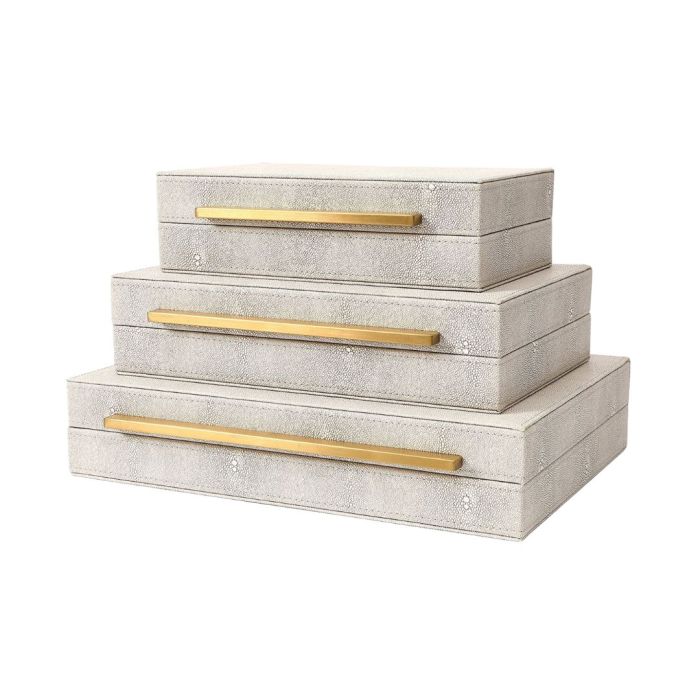
The production of bulk decorative boxes involves a complex interplay of materials, machinery, and labor. Optimizing these elements is crucial for achieving cost-effectiveness and maintaining quality standards in a competitive market. From raw material sourcing to final packaging, each step demands careful consideration to ensure the finished product meets consumer expectations.
Manufacturing Processes
The manufacturing process for bulk decorative boxes typically involves several key stages. These stages often include die-cutting, printing, assembling, and finishing. Die-cutting, for example, precisely shapes the cardboard or other material to create the box’s desired form. This process is vital for ensuring consistent box sizes and structural integrity. Printing and embellishments add the aesthetic elements, ranging from simple branding to elaborate designs.
Assembly involves joining the various components, and finishing touches like varnishing or coating provide a protective layer and enhanced visual appeal.
Production Methods Comparison
Different methods of production offer varying advantages and disadvantages. Offset printing, a common technique for large-scale production, excels in high-volume printing with consistent quality. However, setup costs can be substantial. Digital printing, on the other hand, provides greater flexibility for smaller orders and customized designs, but printing costs per unit can be higher for large volumes. The selection of the optimal method hinges on factors like order size, design complexity, and budget constraints.
Cost Factors
Several factors contribute to the cost of bulk decorative boxes. The price of raw materials, such as cardboard, ink, and embellishments, plays a significant role. Labor costs, including manufacturing staff and logistical expenses, also influence the overall price. Printing and finishing techniques, as mentioned earlier, can also affect the final cost. Finally, the complexity of the design and the volume of the order directly impact the cost.
Quality Control Measures
Maintaining consistent quality is paramount in bulk decorative box production. Rigorous quality control measures are implemented at each stage. These measures include pre-production inspections of raw materials, on-site checks during the manufacturing process, and final inspections before shipment. Quality control personnel carefully examine dimensions, printing accuracy, and overall structural integrity. Defective boxes are immediately identified and rectified to maintain high standards.
Raw Material Sourcing
Sourcing high-quality raw materials is crucial for the production of durable and aesthetically pleasing boxes. Reliable suppliers with established track records are preferred. This involves thorough research and evaluation of potential suppliers, considering factors such as material quality, pricing, delivery time, and environmental sustainability. Supplier relationships often involve long-term contracts to ensure consistent supply and favorable pricing.
Examples include partnerships with sustainable forestry companies or recycled material providers.
Design Considerations for Bulk Decorative Boxes
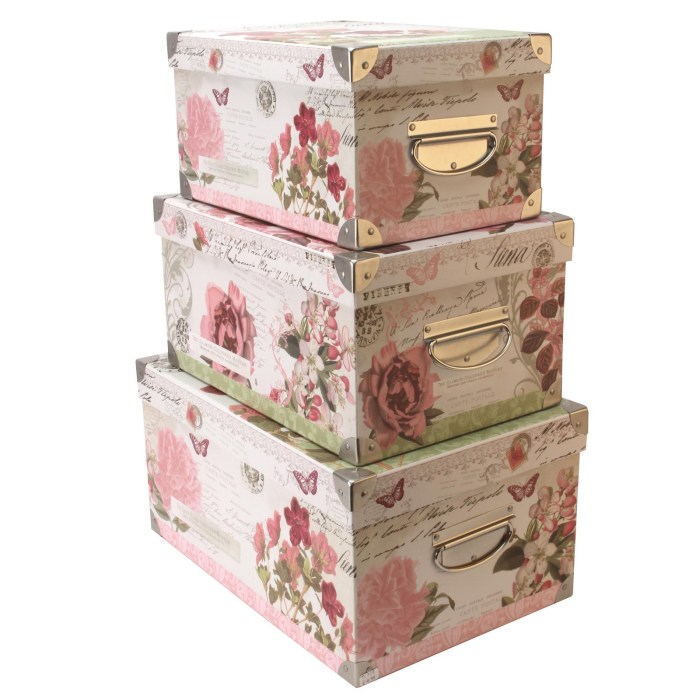
In today’s competitive market, the design of bulk decorative boxes is no longer just about aesthetics; it’s a critical element of branding and sales. A well-designed box can significantly impact a company’s image, customer perception, and ultimately, its bottom line. Careful consideration of design elements, from branding to sustainability, is paramount to success in this sector.Effective packaging design in the bulk decorative box market transcends mere functionality.
It becomes a powerful tool for communicating brand identity, enhancing product appeal, and driving consumer engagement. The design must resonate with the target audience, conveying the essence of the brand and the value proposition of the product contained within.
Branding and Packaging Integration
The design of bulk decorative boxes must seamlessly integrate with existing brand identity. Logos, color palettes, and typography should be consistent across all packaging materials, reinforcing brand recognition and creating a cohesive brand experience. This consistency ensures customers readily associate the box with the brand, fostering trust and brand loyalty. Incorporating a unique design element, like a distinctive pattern or a subtle graphic, can further strengthen brand differentiation.
Innovative and Unique Designs
Innovative bulk decorative box designs can set a brand apart in a crowded marketplace. One approach involves incorporating interactive elements, such as pop-up designs or hidden compartments, to create a memorable unboxing experience. Another trend involves using unconventional materials, like recycled cardboard or natural fibers, while maintaining aesthetic appeal. Innovative designs not only attract attention but also signal a brand’s commitment to sustainability and creativity.
For example, a box designed with a geometric pattern that subtly changes as the light hits it can be very effective.
Color Palettes and their Impact
Color palettes play a crucial role in shaping consumer perception. The chosen colors should evoke the desired mood and emotion, aligning with the brand’s overall aesthetic. For example, earthy tones might communicate a sense of naturalness and quality, while vibrant colors could project energy and youthfulness. The use of color psychology principles can significantly influence how customers perceive the product and the brand.
Visual Hierarchy in Bulk Decorative Boxes
Visual hierarchy is essential for guiding the customer’s eye and emphasizing key elements within the design. Strategic use of size, color, and placement can highlight the brand logo, product name, or other important information. The principle of visual hierarchy ensures that the most important information is immediately apparent, enhancing readability and creating a more organized and appealing design.
Sustainable Materials and Practices
Sustainability is a growing concern for consumers. Using eco-friendly materials, such as recycled cardboard or biodegradable plastics, in the design of bulk decorative boxes can attract environmentally conscious buyers. Implementing sustainable manufacturing practices, like minimizing waste and using renewable energy sources, further strengthens the brand’s commitment to environmental responsibility. For instance, companies might partner with suppliers that prioritize sustainable forestry practices.
By emphasizing these practices, companies can not only attract eco-conscious customers but also improve their brand image and corporate social responsibility.
Applications and Uses of Bulk Decorative Boxes
Bulk decorative boxes are increasingly vital across diverse industries, transcending simple packaging to encompass strategic product presentation and enhanced brand perception. Their versatility extends beyond mere containment, playing a crucial role in warehousing, logistics, and retail environments, often contributing significantly to a company’s bottom line. These boxes, thoughtfully designed and crafted, are not just containers; they are a key element in shaping customer perception and fostering brand loyalty.
Retail Applications
Bulk decorative boxes significantly impact retail environments, offering more than just a means to store goods. They are instrumental in showcasing products in a visually appealing manner, effectively influencing consumer choices. Retailers utilize them to present merchandise in large quantities, emphasizing value and bulk buying options. This approach can be particularly effective for consumer goods, electronics, and home goods, allowing for comprehensive displays that highlight product features and variety.
Warehousing and Logistics Applications
In warehousing and logistics, bulk decorative boxes are crucial for efficient storage and transportation. Their standardized sizes and durable construction allow for streamlined inventory management and secure handling during transit. Properly designed boxes ensure goods remain protected throughout the supply chain, reducing damage and minimizing losses. Robust labeling systems integrated with these boxes facilitate quick identification and retrieval of items within vast storage facilities.
This contributes directly to faster order fulfillment and reduced operational costs.
Product Protection and Preservation
The protective qualities of bulk decorative boxes are paramount in various industries. These boxes are often designed with specific cushioning and reinforcement elements, effectively safeguarding products from external impacts and environmental factors. This is particularly important for delicate or fragile items, ensuring their arrival at the destination in pristine condition. Materials such as corrugated cardboard, reinforced paperboard, and high-density plastics contribute to this protection, often reducing the need for secondary packaging.
Impact on Product Presentation and Customer Perception
Beyond functionality, bulk decorative boxes significantly impact product presentation and customer perception. Attractive designs, high-quality materials, and thoughtful branding elements contribute to a positive brand image. Customers often associate visually appealing packaging with higher quality and value. This visual enhancement translates into a more engaging shopping experience, which is critical for fostering customer loyalty and driving sales.
Industries Utilizing Bulk Decorative Boxes
Bulk decorative boxes find applications across a wide spectrum of industries. For example, in the food industry, they are used to store and transport various products, ensuring freshness and quality. Similarly, in the electronics sector, they are crucial for safeguarding sensitive equipment during transit and storage. Furthermore, the retail sector heavily relies on bulk decorative boxes for displaying and organizing merchandise, thereby creating visually appealing displays.
The construction industry uses them for storing and transporting building materials, ensuring their safe handling.
Market Trends and Analysis for Bulk Decorative Boxes
The bulk decorative box market is experiencing dynamic shifts, driven by evolving consumer preferences, technological advancements, and global economic factors. This analysis examines key trends, growth projections, competitive landscapes, and the impact of online retail on demand. Understanding these elements is crucial for businesses seeking to navigate the competitive landscape and capitalize on opportunities in this sector.The growing demand for eco-friendly packaging solutions is impacting the choice of materials for bulk decorative boxes.
Consumers are increasingly conscious of the environmental footprint of products, prompting businesses to adopt sustainable practices. This trend is translating into a heightened focus on recyclable and biodegradable materials, driving innovation in box design and manufacturing.
Key Market Trends
The bulk decorative box market is characterized by several key trends, including a rising preference for customized designs, an increasing emphasis on sustainability, and the pervasive influence of e-commerce. These factors are shaping the market dynamics, creating opportunities for businesses to cater to specific needs and preferences.
- Customization and Personalization: Consumers increasingly desire personalized packaging, leading to a surge in demand for custom-designed bulk decorative boxes. This allows brands to convey their unique brand identity and create a memorable unboxing experience for customers.
- Sustainability and Eco-Friendliness: The environmental consciousness of consumers is driving the adoption of sustainable packaging materials, such as recycled cardboard and biodegradable options. Companies are responding by offering a wider range of eco-friendly options to meet growing demand.
- E-commerce Growth: The rise of e-commerce is significantly impacting the bulk decorative box market, as online retailers require robust and attractive packaging for shipping products efficiently. This increased demand for packaging solutions fuels market growth.
- Technological Advancements: Technological advancements in printing and manufacturing processes are enabling the creation of more intricate and visually appealing bulk decorative boxes. These advancements contribute to improved production efficiency and cost-effectiveness.
Growth Rate and Projected Market Size
The bulk decorative box market is anticipated to experience substantial growth in the coming years. Market research suggests a compound annual growth rate (CAGR) of 6-8% from 2023 to 2028. Factors like the increasing popularity of online shopping and the growing emphasis on product presentation are contributing to this projected expansion. This growth is not uniform across all segments, with certain materials and applications showing higher growth potential.
For example, the demand for sustainable packaging solutions is driving higher growth rates for boxes made from recycled materials.
Key Players and Competitors
Several prominent companies are key players in the bulk decorative box market. These include established packaging manufacturers and specialized companies focused on custom design and production. Competition in the market is intense, with new entrants constantly emerging to cater to niche demands. Market analysis reveals significant competition among large corporations and smaller specialized companies.
Impact of Online Retail
The growth of online retail has profoundly impacted the demand for bulk decorative boxes. E-commerce platforms require attractive and protective packaging to ensure product delivery in optimal condition. This has translated into a substantial increase in demand for high-quality, durable, and aesthetically pleasing bulk decorative boxes for shipping goods. The competitive nature of e-commerce necessitates attention to detail and an understanding of the unique needs of online retailers.
Sustainability Comparison of Materials
The choice of material significantly impacts the environmental footprint of bulk decorative boxes. The following table provides a comparative analysis of common materials, considering their sustainability scores.
| Material | Sustainability Score (1-5, 5 being highest) | Description |
|---|---|---|
| Recycled Cardboard | 4 | Environmentally friendly, readily available, and cost-effective. |
| Corrugated Cardboard | 3 | Durable and cost-effective, but may require more resources for production. |
| Kraft Paper | 3 | Renewable resource, but may not be as durable as other options. |
| Bio-Based Materials | 4-5 | Sustainable and eco-friendly, but often at a higher cost. |
| Plastics | 1-2 | Low sustainability score due to their non-biodegradability and environmental impact. |
Cost Analysis and Pricing Strategies
Bulk decorative boxes, a cornerstone of packaging and presentation, face a complex interplay of costs and pricing strategies. Understanding these factors is crucial for both manufacturers and buyers in the competitive marketplace. Pricing strategies must account for raw material fluctuations, production complexities, and market demand to ensure profitability and competitiveness.Pricing decisions for bulk decorative boxes are influenced by a range of variables, demanding a nuanced approach.
Factors like material cost, labor expenses, design intricacies, and transportation logistics all contribute to the final price. Successful pricing strategies consider these variables, translating them into competitive offerings that meet both manufacturer and consumer needs.
Factors Influencing the Cost of Bulk Decorative Boxes
The cost of bulk decorative boxes is a multifaceted equation, impacted by several key elements. Material costs, a fundamental component, fluctuate based on market conditions and supply chain dynamics. The type of material – cardboard, wood, or metal – significantly influences the cost. Likewise, the intricacy of the design plays a substantial role, with more complex designs necessitating more specialized labor and potentially higher production costs.
Manufacturing processes, from printing to assembly, contribute to the overall cost. Logistics, encompassing transportation and warehousing, also add to the expenditure.
Comparative Analysis of Pricing Strategies
Different pricing strategies for bulk decorative boxes are employed depending on market conditions and company objectives. A cost-plus pricing model, common in the industry, adds a markup to the calculated cost of production. Value-based pricing, however, focuses on the perceived value of the box, considering factors like aesthetics and quality. Competitive pricing, a strategy frequently adopted, aligns prices with the market rate, considering competitors’ offerings.
Furthermore, dynamic pricing, responsive to market fluctuations, is becoming increasingly common, adjusting prices based on demand and supply.
Cost Breakdown of Different Bulk Decorative Box Types
| Box Type | Material Cost (USD) | Manufacturing Cost (USD) | Design Cost (USD) | Logistics Cost (USD) | Total Cost (USD) |
|---|---|---|---|---|---|
| Cardboard Display Boxes | 0.50-2.00 | 0.75-3.00 | 0.25-1.50 | 0.25-1.00 | 1.75-7.50 |
| Wooden Gift Boxes | 2.00-5.00 | 1.50-4.00 | 1.00-3.00 | 0.50-1.50 | 5.00-14.00 |
| Metal Tin Boxes | 3.00-8.00 | 2.00-5.00 | 0.50-2.00 | 0.75-2.00 | 6.25-17.00 |
This table provides a simplified illustration of potential cost breakdowns for different bulk decorative box types. Actual costs will vary based on specific design, quantity, and market conditions.
Pricing Models for Bulk Orders
Pricing models for bulk orders often incorporate volume discounts, where the price per unit decreases as the order quantity increases. This reflects the economies of scale inherent in bulk production. Tiered pricing, offering different discounts at various order levels, is another common strategy. Furthermore, customized pricing models, accommodating specific customer requirements, are sometimes employed.
Impact of Economies of Scale on Bulk Decorative Box Pricing
Economies of scale significantly impact the pricing of bulk decorative boxes. As production volume increases, the cost per unit typically decreases due to lower fixed costs being spread over a larger output. This leads to more competitive pricing for larger orders. For example, a manufacturer producing 10,000 boxes may have a lower cost per unit than one producing only 1,000, enabling more competitive pricing for the larger order.
Logistics and Distribution of Bulk Decorative Boxes
The efficient logistics and distribution of bulk decorative boxes are crucial for maintaining profitability and customer satisfaction in the competitive packaging industry. Effective handling, transportation, and packaging strategies directly impact delivery times, product integrity, and overall supply chain efficiency. Optimized processes minimize storage costs and ensure timely delivery of these boxes to customers.The intricate dance between storage, transportation, and packaging determines the success of a bulk decorative box business.
Streamlined procedures across all these areas are essential for maximizing profitability and minimizing operational complexities.
Storage and Handling Processes
Warehousing strategies play a critical role in the smooth operation of a bulk decorative box distribution center. Proper storage prevents damage and ensures easy access to inventory. Organized racking systems and clear labeling are paramount to maintain inventory control and optimize space utilization. Regular inspections and maintenance of storage facilities are necessary to prevent deterioration or damage to the boxes.
Temperature and humidity control are essential for products susceptible to moisture or temperature fluctuations, a consideration that is especially critical for certain types of decorative boxes.
Transportation Methods
Bulk decorative boxes, depending on their size and weight, are transported via various methods. Trucks are the most common means of transport for shorter distances. Larger quantities may necessitate rail transport, offering cost-effectiveness for long-haul deliveries. Sea transport is frequently used for international shipments, although lead times are often longer. The choice of transportation method depends on factors such as delivery time, cost, and the specific needs of the customer.
Importance of Efficient Logistics
Efficient logistics are essential for maintaining a competitive edge in the supply chain. Reduced lead times, accurate order fulfillment, and minimized inventory holding costs are key benefits. Effective logistics also improve customer satisfaction by guaranteeing timely deliveries and product integrity. A robust logistics system can significantly reduce operational expenses, and provide an advantage in the market.
Role of Packaging in Safe Transport
Appropriate packaging is vital for safeguarding bulk decorative boxes during transit. The packaging should effectively protect the boxes from damage caused by impacts, vibrations, and moisture. Robust materials, such as corrugated cardboard or specialized protective films, are used to create a protective barrier. Proper cushioning and bracing are crucial to preventing damage and maintaining the integrity of the product.
Examples of Packaging Methods
Several packaging methods are employed to safeguard bulk decorative boxes. A common method involves using corrugated cardboard boxes with reinforced corners and edges. For larger quantities, specialized crates or pallets are utilized. Additional protective layers, such as bubble wrap or foam padding, are added to mitigate the risk of damage during transit. In some cases, shrink wrap is employed to further secure the load and prevent shifting.
These methods are tailored to specific needs and ensure that the decorative boxes arrive at their destination in pristine condition.
Customer Experience and Feedback
Bulk decorative boxes, while crucial for product presentation and storage, are ultimately judged by the customer experience they deliver. Understanding and responding to customer feedback is paramount for success in this competitive market. This involves more than just the physical attributes of the box; it encompasses the entire process from initial inquiry to post-purchase interactions. Companies must actively seek out and analyze this feedback to refine their offerings and maintain a competitive edge.Customer satisfaction is intrinsically linked to the perceived value of bulk decorative boxes.
Factors like quality, design, price, and ease of use significantly influence customer satisfaction. Positive experiences foster brand loyalty and drive repeat business, while negative experiences can damage reputation and deter future purchases. Therefore, companies must be proactive in managing customer expectations and addressing any concerns promptly.
Customer Expectations
Customers expect bulk decorative boxes to be sturdy and durable enough to protect the contents during shipping and handling. Aesthetic appeal is also a significant factor, with customers often seeking boxes that complement their brand image and aesthetic preferences. Furthermore, ease of assembly and disassembly is valued, especially for reusable boxes. Convenient and timely delivery, and clear communication throughout the ordering process, are also crucial components of a positive customer experience.
A seamless online ordering system and accurate order fulfillment are increasingly important, especially for businesses with large-scale needs.
Examples of Customer Feedback
Positive customer feedback often highlights the boxes’ robustness and visual appeal. Customers frequently praise the boxes’ ability to withstand shipping stress without damage to their contents. They also frequently comment on the elegance and sophistication of the designs, especially in relation to their products or branding. Conversely, negative feedback might focus on issues like poor quality control, resulting in damaged or mismatched boxes.
Delays in delivery, confusing packaging instructions, or inadequate communication about the order process can also be sources of dissatisfaction.
Importance of Customer Satisfaction
Customer satisfaction plays a pivotal role in the long-term success of any bulk decorative box provider. High customer satisfaction rates lead to positive word-of-mouth referrals, which can significantly increase brand awareness and market share. Conversely, dissatisfied customers can spread negative reviews quickly, potentially damaging a company’s reputation and sales. Customer feedback acts as a vital tool for identifying areas for improvement and maintaining a competitive advantage in the market.
Strategies for Gathering Customer Feedback
Effective feedback gathering involves a multi-faceted approach. Surveys, both online and in-person, are valuable tools for collecting structured data. Customer reviews on e-commerce platforms, social media, and company websites provide valuable insights into real-world experiences. Direct communication with customers through phone calls, emails, and live chat can offer deeper understanding of individual concerns. Finally, monitoring industry trends and competitor activities allows businesses to identify emerging customer preferences and adjust strategies accordingly.
Customer Feedback Questionnaire
| Question | Type | Possible Answers (or Scale) |
|---|---|---|
| Overall satisfaction with the bulk decorative boxes? | Multiple Choice | Very Satisfied, Satisfied, Neutral, Dissatisfied, Very Dissatisfied |
| Ease of assembly/disassembly of the box? | Rating Scale | 1 (Very Difficult) to 5 (Very Easy) |
| Durability and robustness of the box? | Rating Scale | 1 (Very Poor) to 5 (Excellent) |
| Visual appeal and design of the box? | Rating Scale | 1 (Very Poor) to 5 (Excellent) |
| Clarity of instructions and packaging? | Multiple Choice | Very Clear, Clear, Somewhat Clear, Unclear, Very Unclear |
| Shipping time and delivery experience? | Rating Scale | 1 (Very Poor) to 5 (Excellent) |
| Overall value for the price paid? | Rating Scale | 1 (Very Poor) to 5 (Excellent) |
| Would you recommend these boxes to others? | Multiple Choice | Yes, No, Maybe |
| Specific comments or suggestions? | Open-ended | Free text |
Sustainability and Ethical Considerations
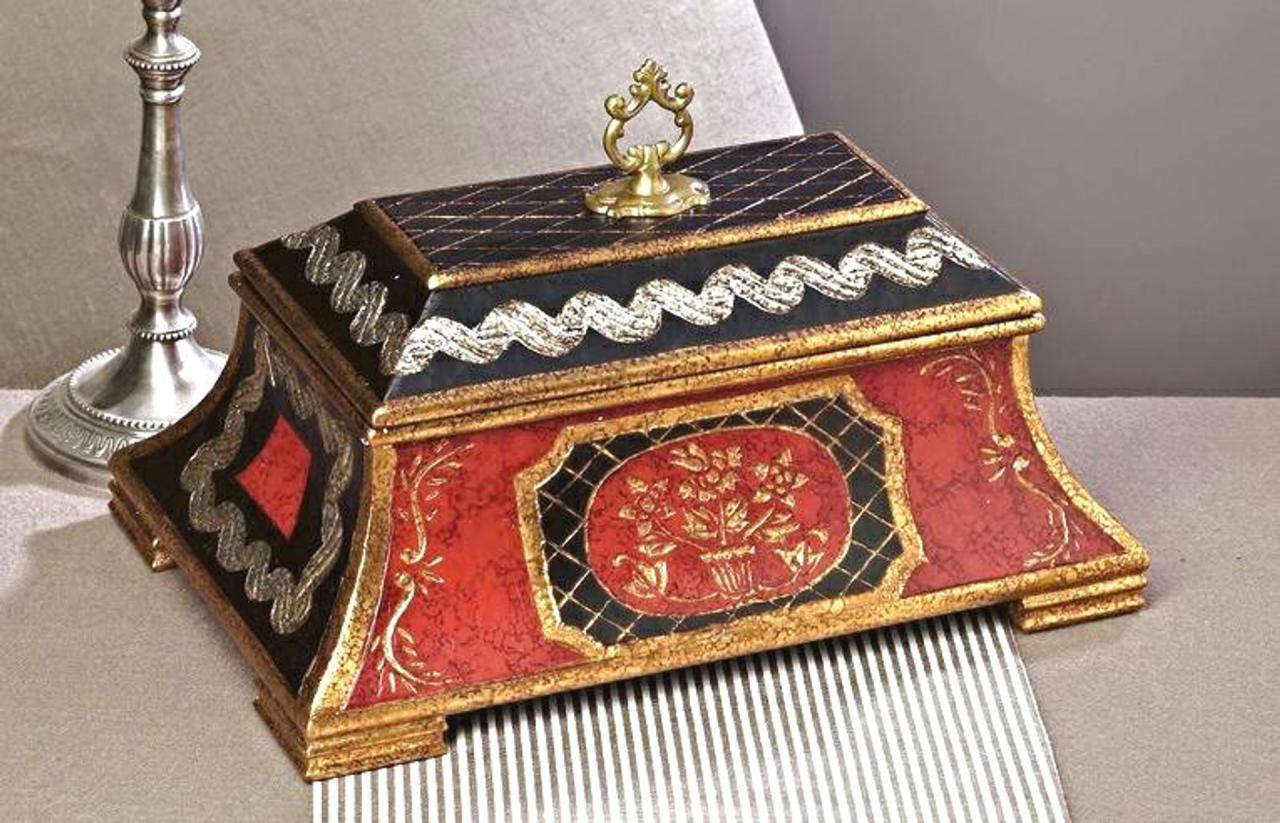
The burgeoning demand for bulk decorative boxes necessitates a careful evaluation of their environmental footprint and ethical sourcing practices. Consumers are increasingly conscious of the ecological impact of products, demanding transparency and responsibility from manufacturers. This scrutiny extends to the entire lifecycle, from raw material extraction to final disposal.The production and use of bulk decorative boxes can have significant environmental consequences if not managed sustainably.
Choosing materials and manufacturing processes that minimize waste and pollution is crucial to aligning with broader environmental goals. Ethical considerations extend to fair labor practices, ensuring the well-being of workers involved in the supply chain.
Environmental Impact of Materials
The selection of materials directly impacts the environmental footprint of bulk decorative boxes. Different materials exhibit varying degrees of sustainability, ranging from readily recyclable options to those with significant environmental burdens. Paper-based materials, for example, often rely on sustainable forestry practices, but their manufacturing processes can still have an environmental impact. Plastics, while potentially durable and cost-effective, often require significant energy inputs during production and present challenges for recycling.
Sustainable Practices in Production
Implementing sustainable practices in the production of bulk decorative boxes is crucial. These practices encompass everything from minimizing waste during manufacturing to utilizing renewable energy sources. Manufacturers can reduce their carbon footprint by optimizing transportation routes, adopting energy-efficient machinery, and implementing waste reduction strategies. Minimizing water usage in the production process and employing recycled materials are further steps towards sustainability.
Sustainable Materials for Bulk Decorative Boxes
Several sustainable materials are suitable for bulk decorative boxes. Recycled paperboard, derived from post-consumer waste, is a prominent example. This option reduces reliance on virgin resources and lowers the environmental burden. Cardboard made from sustainably sourced wood pulp is another viable alternative. Bamboo, with its rapid growth rate and low water consumption during cultivation, is also emerging as a promising sustainable material.
Ethical Considerations in Sourcing Materials
Ethical sourcing is paramount in the supply chain of bulk decorative boxes. This encompasses fair labor practices, ensuring safe working conditions for employees involved in the collection, processing, and transportation of raw materials. Transparency in the supply chain, allowing consumers to trace the origin of materials, fosters trust and accountability. Manufacturers must carefully assess their suppliers to ensure compliance with ethical standards and avoid contributing to deforestation or exploitation of workers.
Eco-Friendly Options for Bulk Decorative Boxes
| Material | Sustainability Advantages | Considerations |
|---|---|---|
| Recycled Paperboard | Reduced reliance on virgin resources, lower environmental impact | May have slight variations in color or texture compared to virgin paperboard. |
| Cardboard from Sustainably Sourced Wood Pulp | Supports responsible forestry practices, reduces deforestation | Requires careful verification of the forest management certification. |
| Bamboo | Rapid growth rate, low water consumption in cultivation, renewable resource | May require specialized processing techniques compared to traditional materials. |
| Recycled Plastics | Reduces plastic waste, conserves resources | Limited availability and may require careful selection to ensure quality and durability. |
| Bio-based Plastics | Derived from renewable resources, potentially biodegradable | Often more expensive than conventional plastics, may not be fully compostable. |
Future Trends and Innovations
The bulk decorative box industry is poised for significant transformation driven by evolving consumer preferences, technological advancements, and sustainability concerns. Companies that anticipate these shifts and adapt their strategies will gain a competitive edge in the future market. This includes embracing innovative materials, leveraging digitalization, and proactively addressing potential market gaps.
Potential Future Trends
The future of bulk decorative boxes will be shaped by several key trends. A growing emphasis on personalized packaging and eco-friendly materials is evident, mirroring broader consumer desires for sustainable products. Furthermore, the increasing demand for customizable options and interactive experiences within packaging will drive innovation. Technological advancements will play a pivotal role in enhancing efficiency and reducing costs across the entire supply chain.
Innovative Technologies and Materials
New materials and technologies are emerging, offering exciting possibilities for bulk decorative boxes. Bio-based materials, such as plant-derived plastics and sustainably sourced wood pulp, are gaining traction. These alternatives reduce the environmental impact compared to traditional materials. 3D printing is another noteworthy development. Its potential for creating intricate designs and customized shapes will likely transform the industry.
Smart packaging, incorporating sensors and embedded technologies, promises to enhance tracking, security, and even customer interaction. This integration is particularly relevant for perishable goods or products requiring precise temperature control during transit.
Impact of Digitalization
Digitalization is profoundly reshaping the bulk decorative box industry. Digital tools for design, prototyping, and production optimization are streamlining processes. This leads to cost savings and faster turnaround times. E-commerce platforms are becoming integral, enabling businesses to connect directly with consumers and offer tailored packaging solutions. Data analytics are becoming more important, allowing for personalized recommendations and optimized inventory management.
AI and machine learning are poised to further refine these processes, optimizing everything from design choices to logistics and customer service.
Future of Bulk Decorative Boxes
The future of bulk decorative boxes hinges on several factors. Consumer demand for unique, personalized, and eco-friendly packaging will drive innovation. Businesses will need to integrate sustainability into their core operations, focusing on materials sourcing and reducing their environmental footprint. This will involve a strategic shift from linear models to circular ones, prioritizing reuse and recyclability. Companies that successfully blend aesthetics with functionality and sustainability will thrive.
The development of innovative, lightweight, and durable packaging will be crucial to minimizing transportation costs and environmental impact.
Market Gaps and Opportunities
The market presents several gaps and opportunities for new products. The demand for customized packaging solutions, particularly for niche markets, is growing. Companies that can provide personalized packaging and interactive experiences will have a competitive advantage. Another opportunity lies in the development of smart packaging solutions. Integrating sensors and other technologies will enable better tracking, security, and customer interaction, particularly for products requiring specific temperature controls during transport.
The need for more sustainable packaging options, tailored for different industries, represents a considerable opportunity.
Closing Summary
In conclusion, bulk decorative boxes are more than just containers; they are powerful marketing tools and integral components of successful supply chains. Understanding the intricacies of materials, design, production, and market trends is paramount for maximizing their impact. The future of these boxes lies in innovation, sustainability, and a deep understanding of customer needs.
